Is Sanxingdui Museum Chengdu Worth Visiting? An Honest Guide (2026)
Everything you need to know before visiting Sanxingdui Museum near Chengdu — what to see, how to get there, how long to spend, and whether it lives up to the hype.

Is Sanxingdui Museum Chengdu Worth Visiting? An Honest Guide (2026)
The short answer is yes — but with conditions. Sanxingdui Museum is one of the most extraordinary archaeological museums in Asia, home to bronze masks and ritual objects so strange and so beautiful that archaeologists still don't fully understand them. The artefacts represent a civilisation that developed independently from the Yellow River cultures most people associate with ancient China, which makes everything here feel genuinely alien and surprising.
The longer answer requires planning. The museum is not in Chengdu — it's 40 kilometres north of the city, in Guanghan. It gets crowded. Tickets sell out. And without some context, you can walk through three floors of world-class archaeology and come away feeling vaguely confused rather than genuinely moved.
This guide gives you everything you need to visit Sanxingdui Museum properly — what it is, what to see, how to get there, and how to avoid the mistakes that flatten the experience for most visitors.
What Is Sanxingdui — and Why Does It Matter?
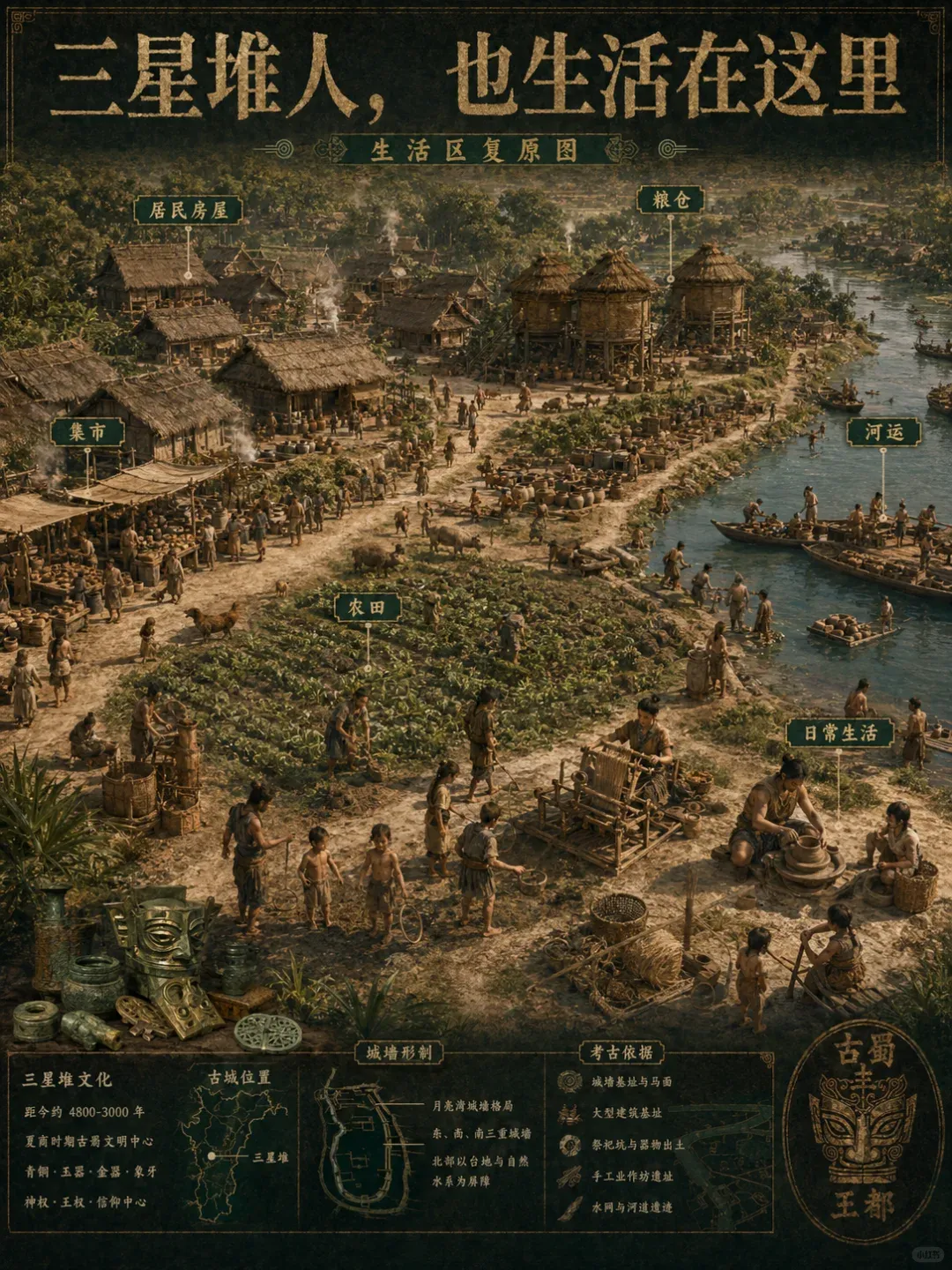
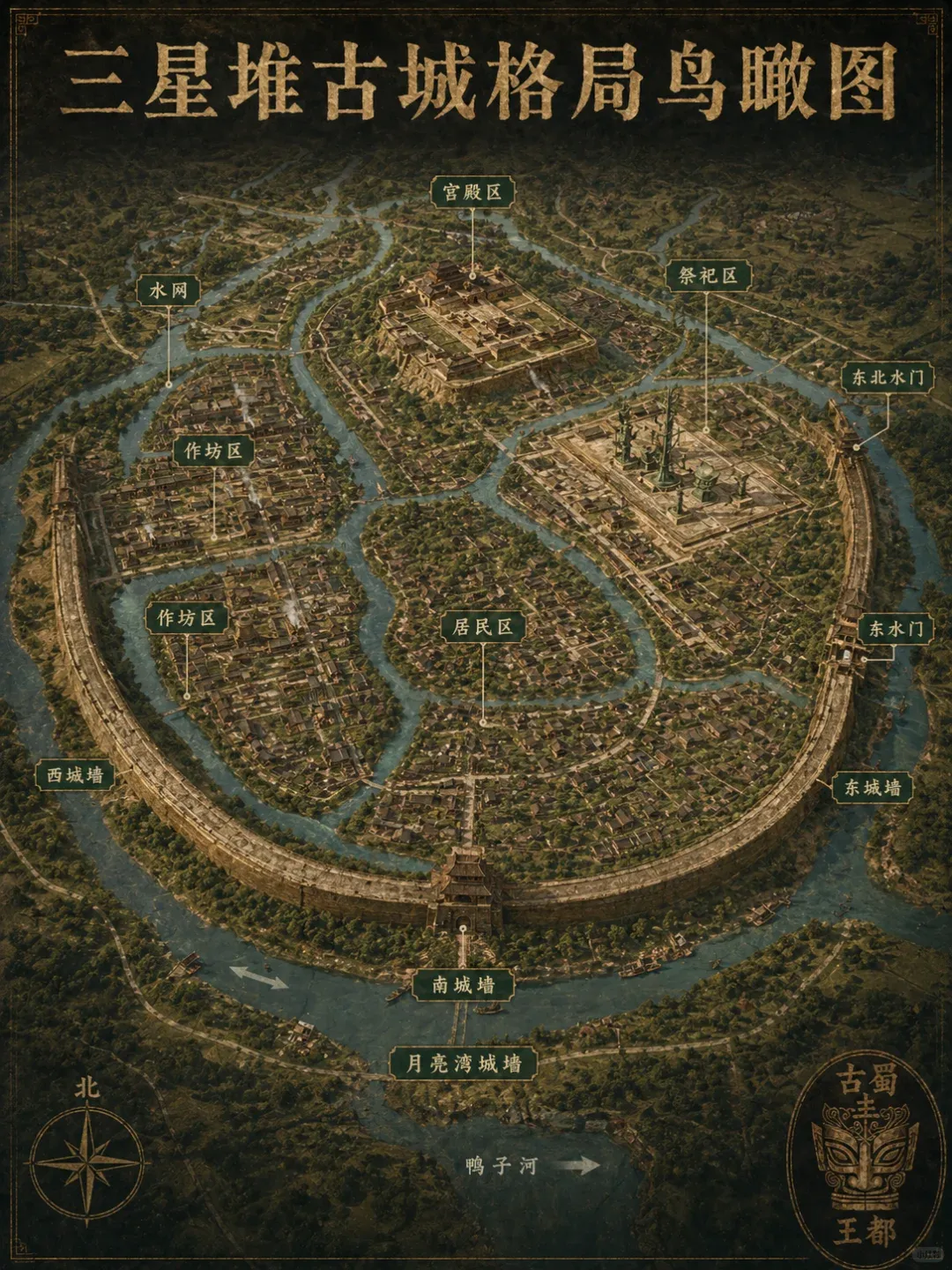
Sanxingdui ("Three Star Mounds") refers to the ruins of an ancient capital of the Shu Kingdom, a Bronze Age civilisation that flourished in the Sichuan basin between roughly 3,000 and 5,000 years ago. The site was discovered accidentally in 1929 when a farmer broke through a stone floor and found a cache of jade objects. Systematic excavation began in 1986, and what came out of the ground stunned the archaeological world.
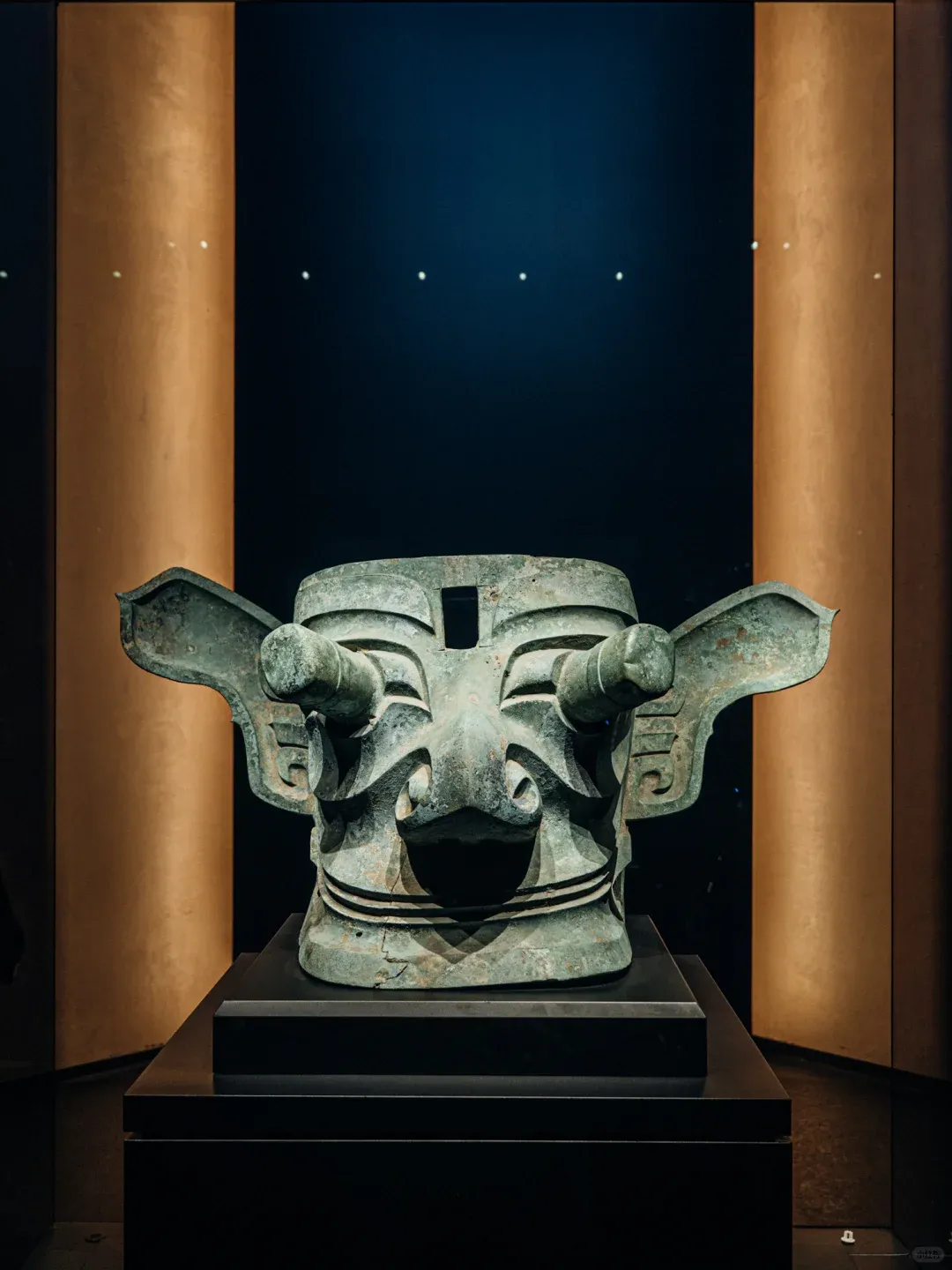
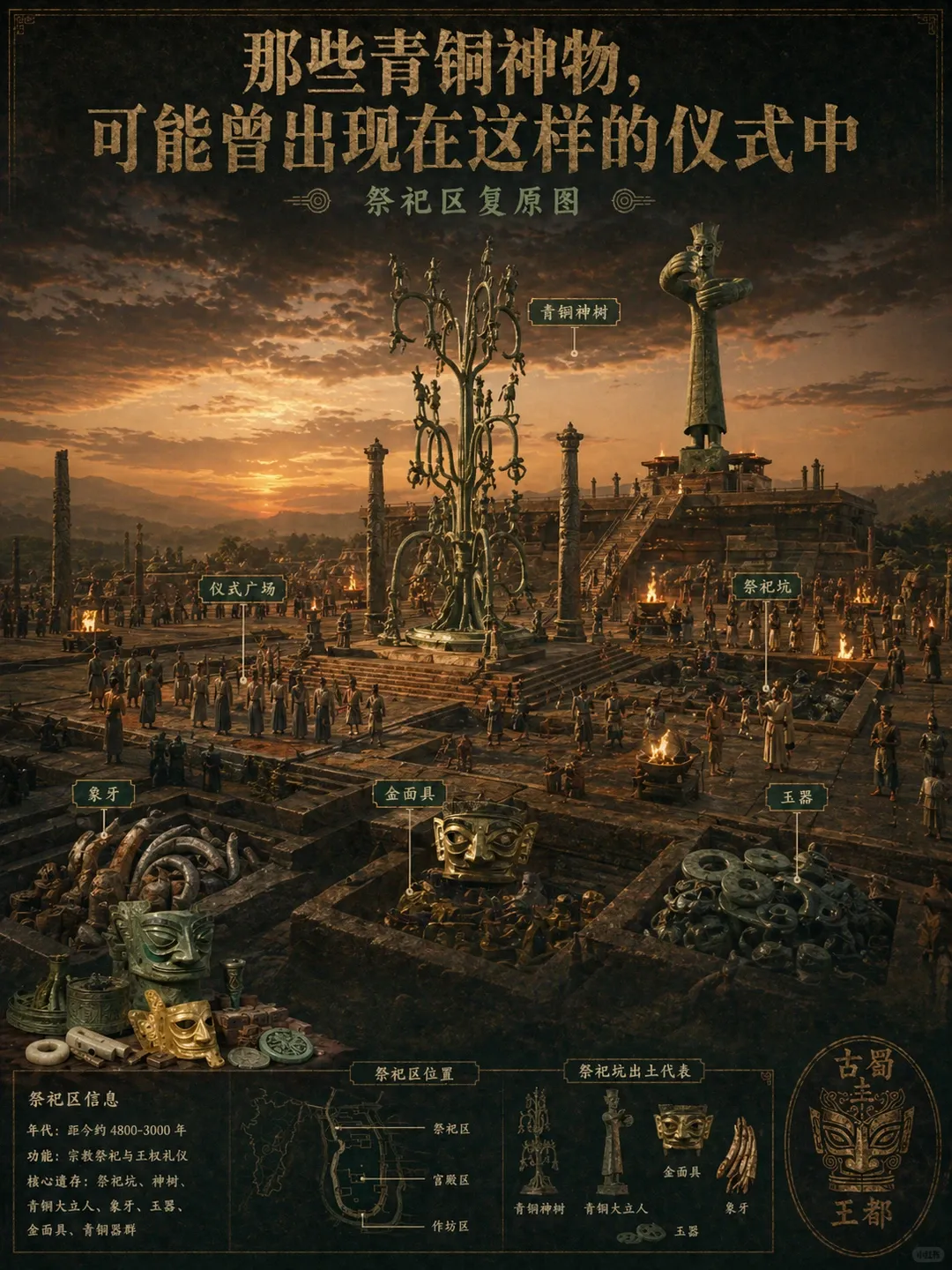
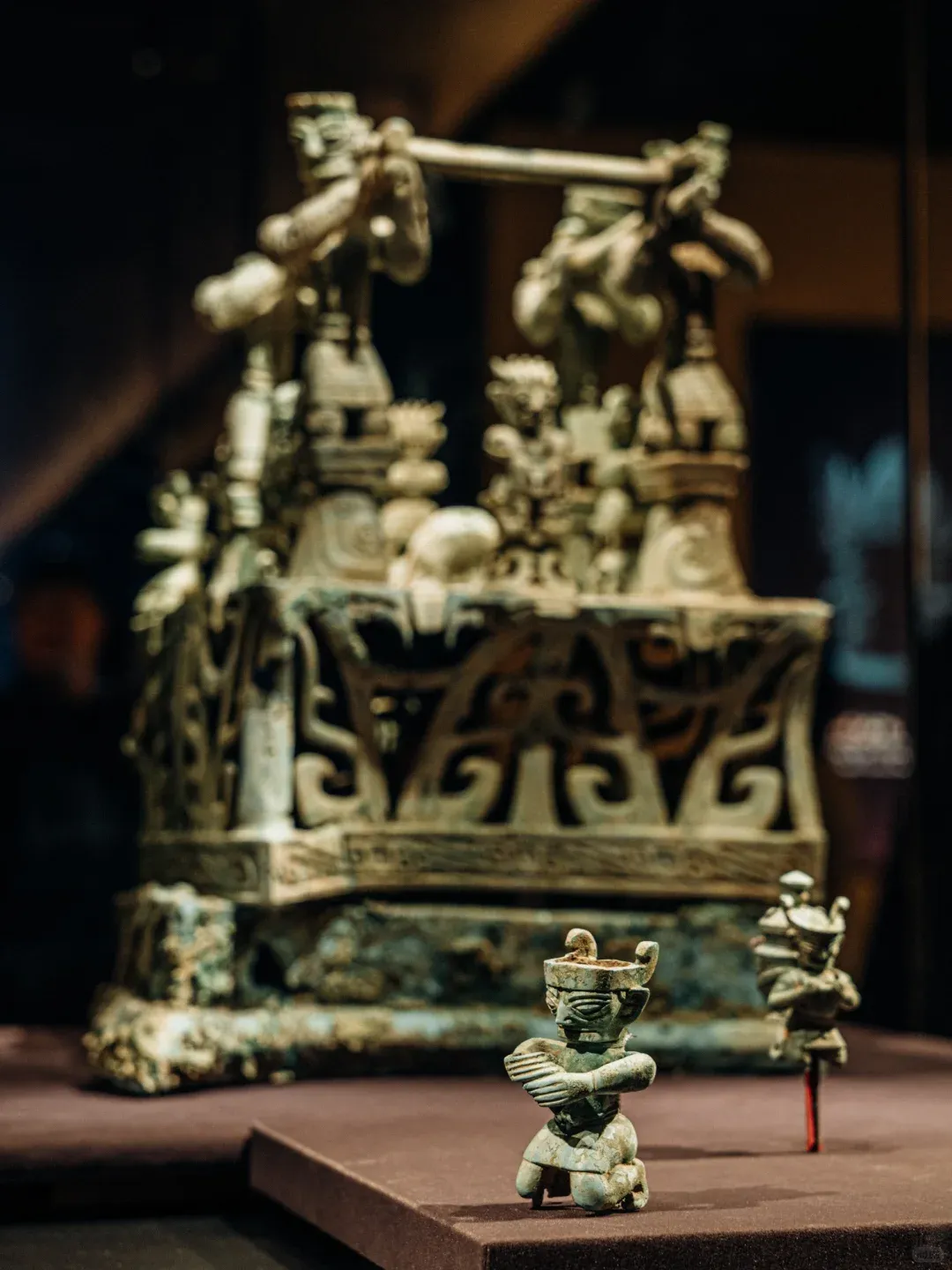
The objects unearthed at Sanxingdui — enormous bronze masks with protruding eyes, a bronze sacred tree nearly four metres tall, gold-foil face coverings, life-sized human figures with oversized hands — bore no resemblance to anything previously found in China. The civilisation that made them had developed in almost complete isolation from the better-documented cultures of the Yellow River basin. Nobody knows why the site was abandoned. Nobody knows exactly what the rituals that buried these objects were for. The mystery is part of what makes the place so compelling.
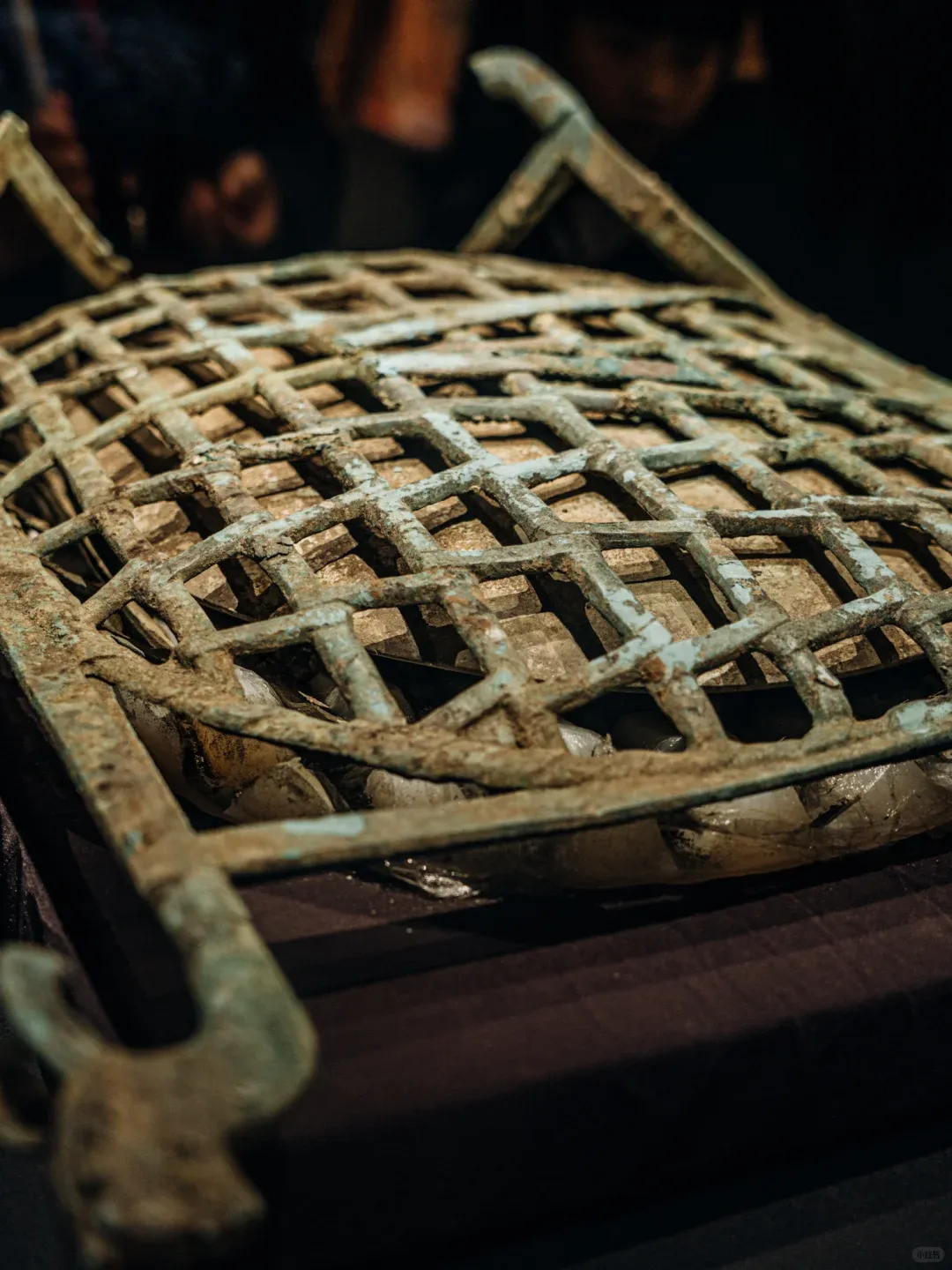
Excavation is ongoing. As recently as 2021, six new sacrificial pits were opened, yielding thousands of additional objects. The museum displays over 1,500 artefacts, including more than 600 pieces exhibited publicly for the first time after the new building opened in July 2023.
The New Museum Building: What Changed in 2023
The museum that most visitors knew before 2023 was a two-hall complex that had served the site since 1997. The new building — which opened in July 2023 — is five times the size of the original, making it the largest standalone archaeological museum in southwest China. The architecture alone is worth seeing: three stacked structures connected under a large blue glass wall and bronze sun shade, designed to echo the ancient mounds the site is named after.
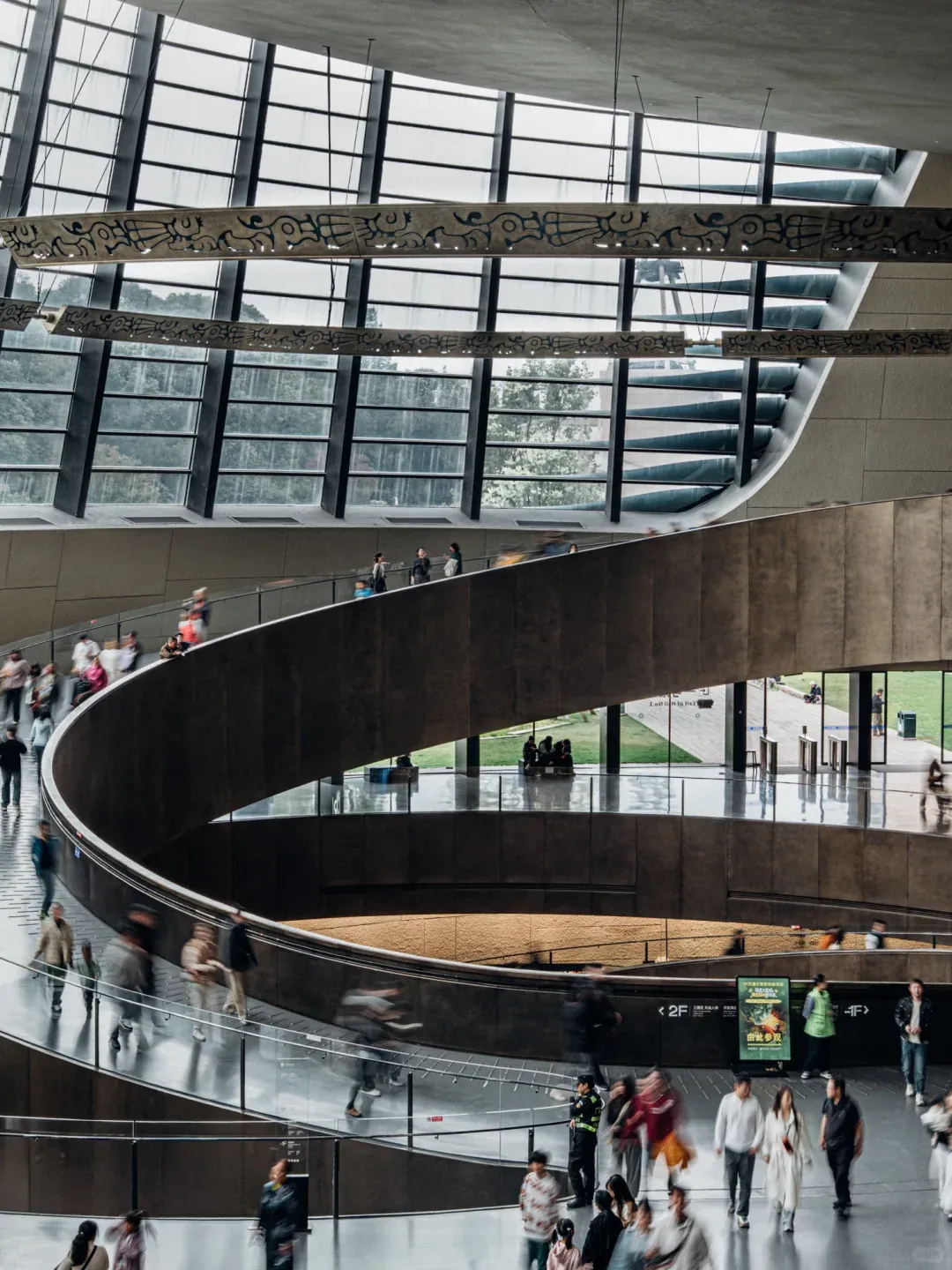
Inside the new building, three major exhibition zones are spread across two floors:
Century Dream (世纪逐梦) — the story of the excavation itself: how the site was discovered, how archaeology progressed across the 20th century, and the scale of what has been found. Dense with photographs, documents, and smaller finds. Good for context before you see the big objects.
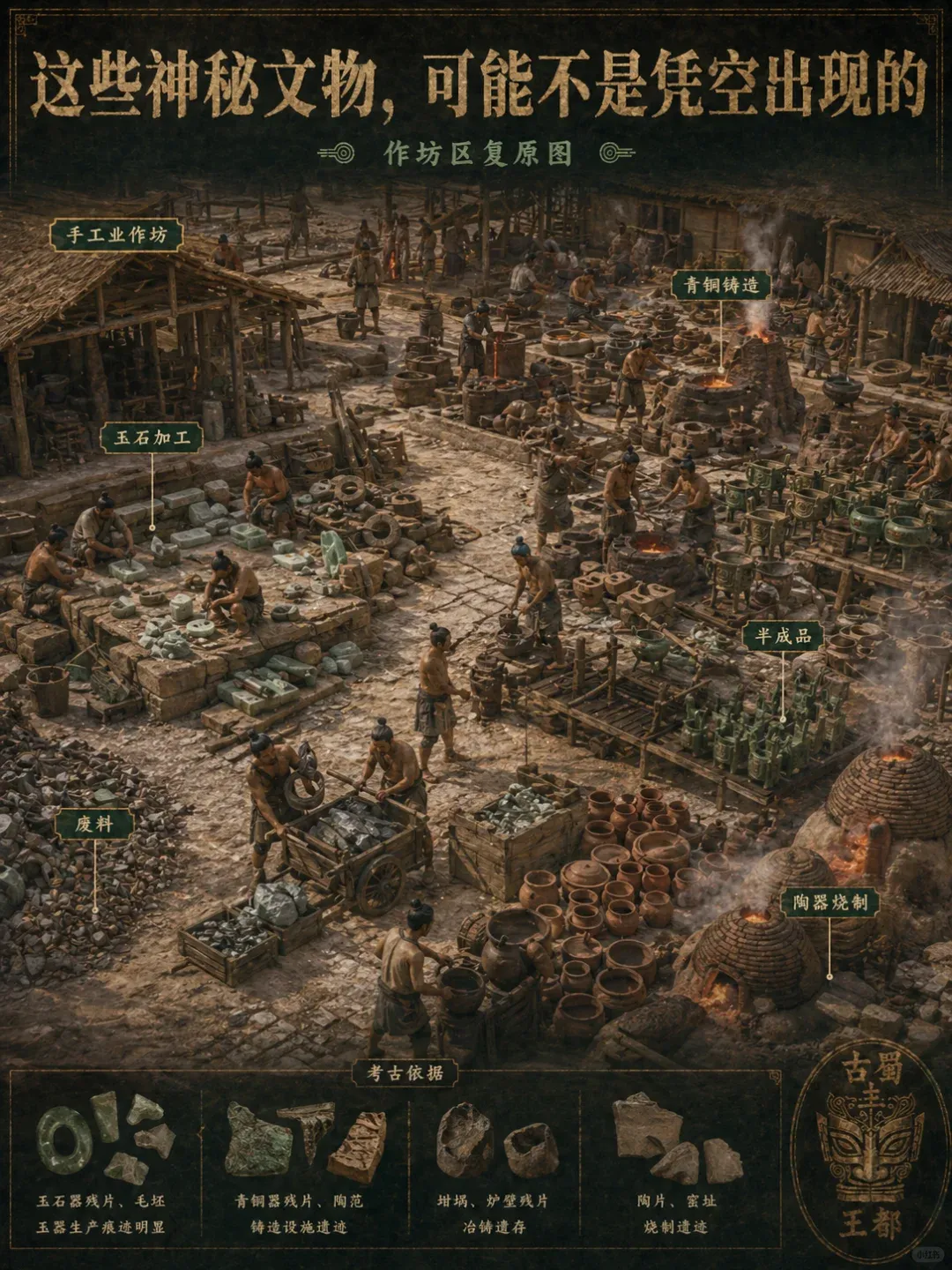
Majestic Royal Capital (巍然王都) — the civilisation in full: how ancient Shu people lived, what they built, the objects they used in daily and ritual life. Jade, gold foil, pottery, ivory carvings, and smaller bronze objects fill this section.
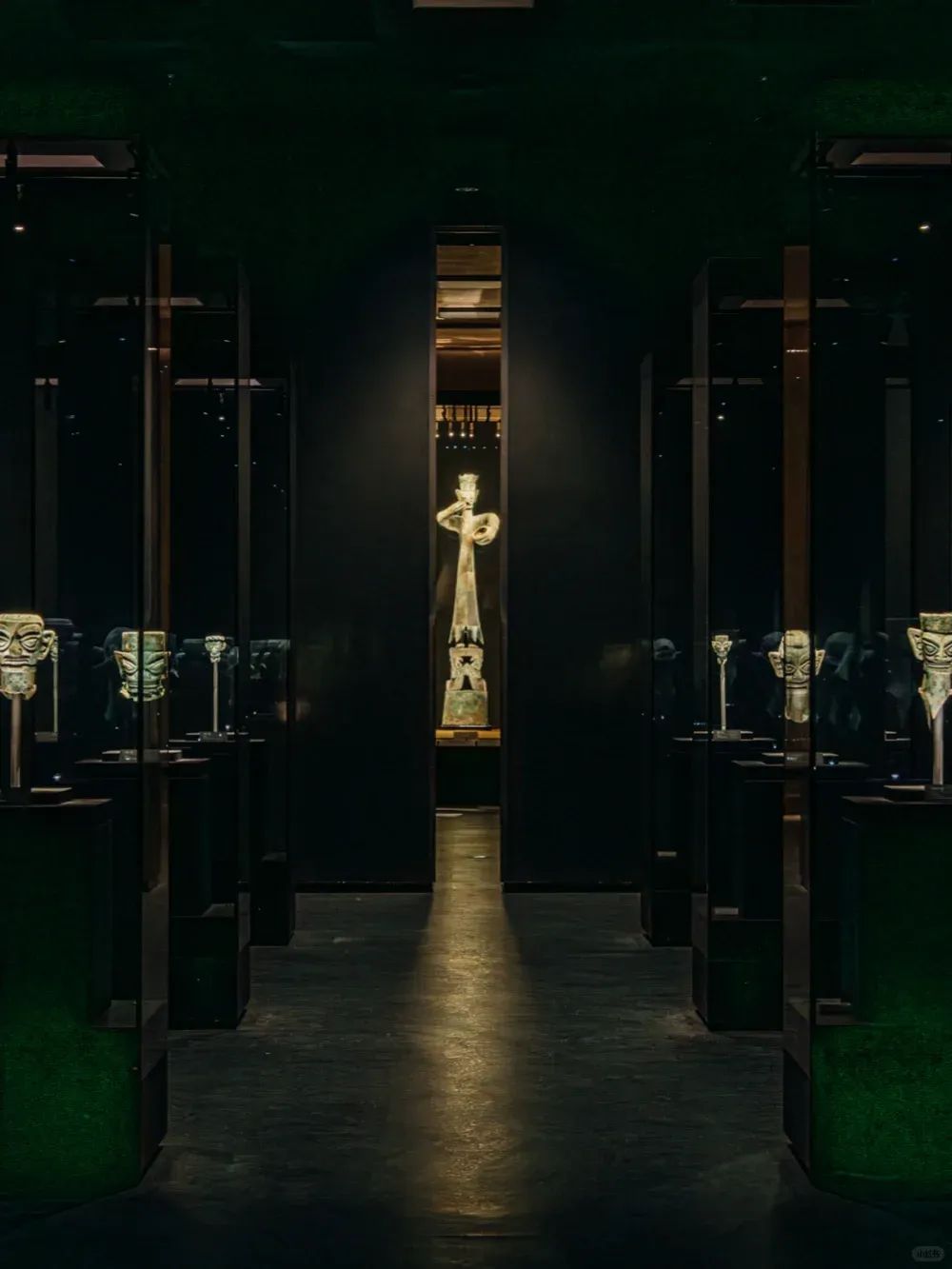
Heaven, Earth, Man and God (天地人神) — the ritual objects. The bronze masks. The sacred trees. The large standing figures. This is the section that stops people in their tracks. It is on the second floor and should be saved until last — the build-up matters.
The original two halls behind the new building remain open and are worth visiting after the main building, particularly if you want to see the bronze objects from the original 1986 excavations displayed in more traditional museum format.
Important: Tickets must be booked online in advance. The museum reaches daily visitor capacity quickly — even on Monday afternoons, visitors report the museum being at full capacity. Walk-up tickets are rarely available. Book at least several days ahead through the official museum website or a booking platform.
The Five Artefacts You Must See
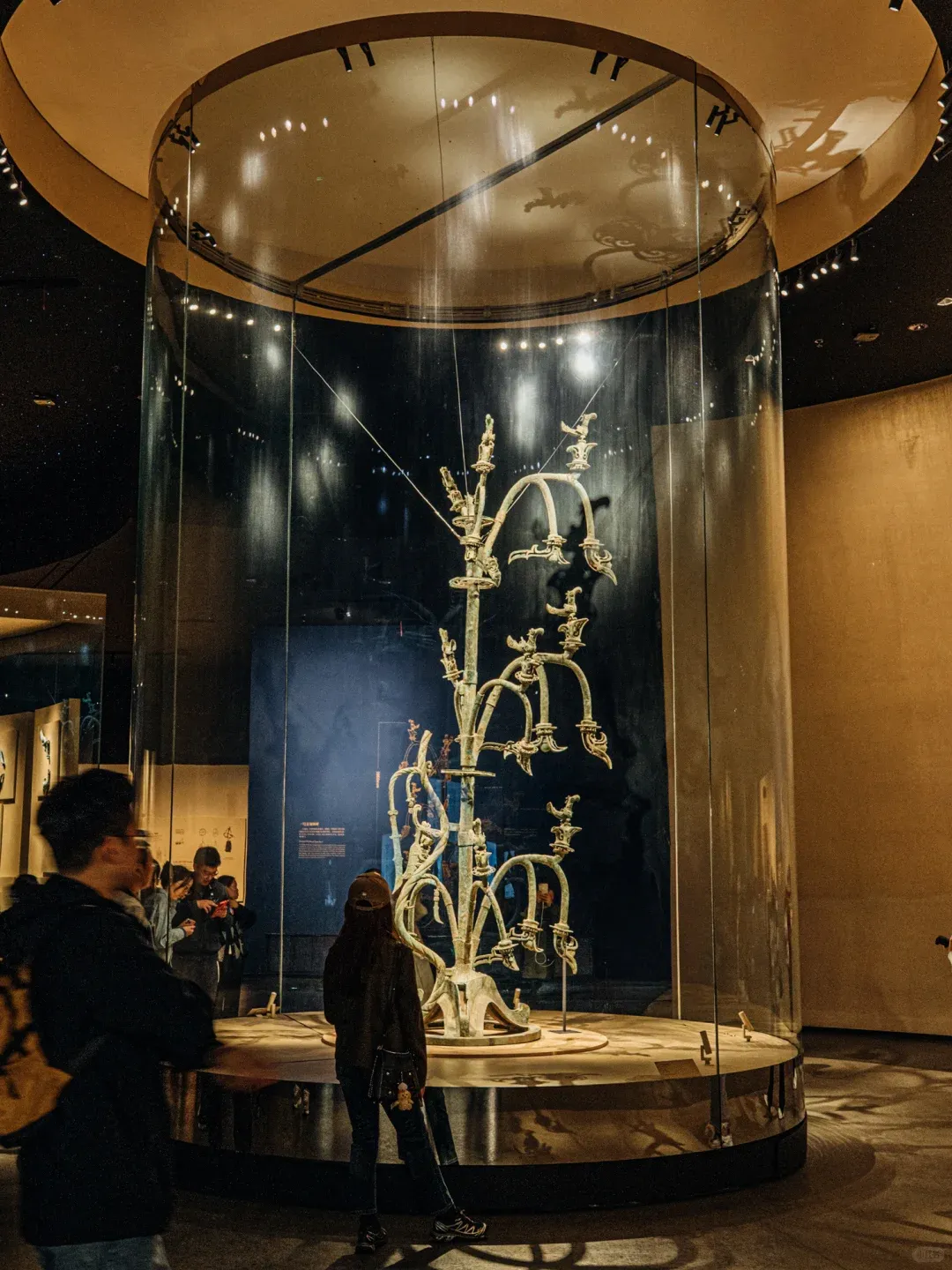
1. Bronze Sacred Tree (青铜神树)
Nearly four metres tall and assembled from dozens of separate cast pieces, this is the largest bronze object ever found from the Bronze Age. Nine branches each hold a bird at their tip. A dragon descends the central trunk. No one knows exactly what it represented — a cosmic axis, a ritual offering tree, something else entirely. It is not possible to fully appreciate its scale from photographs.
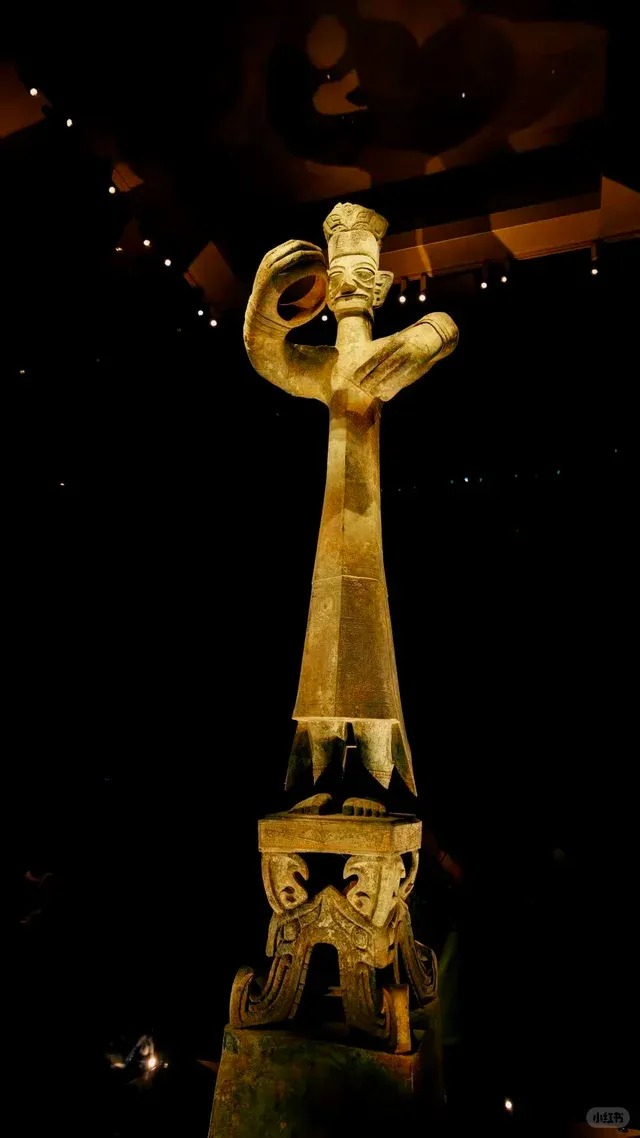
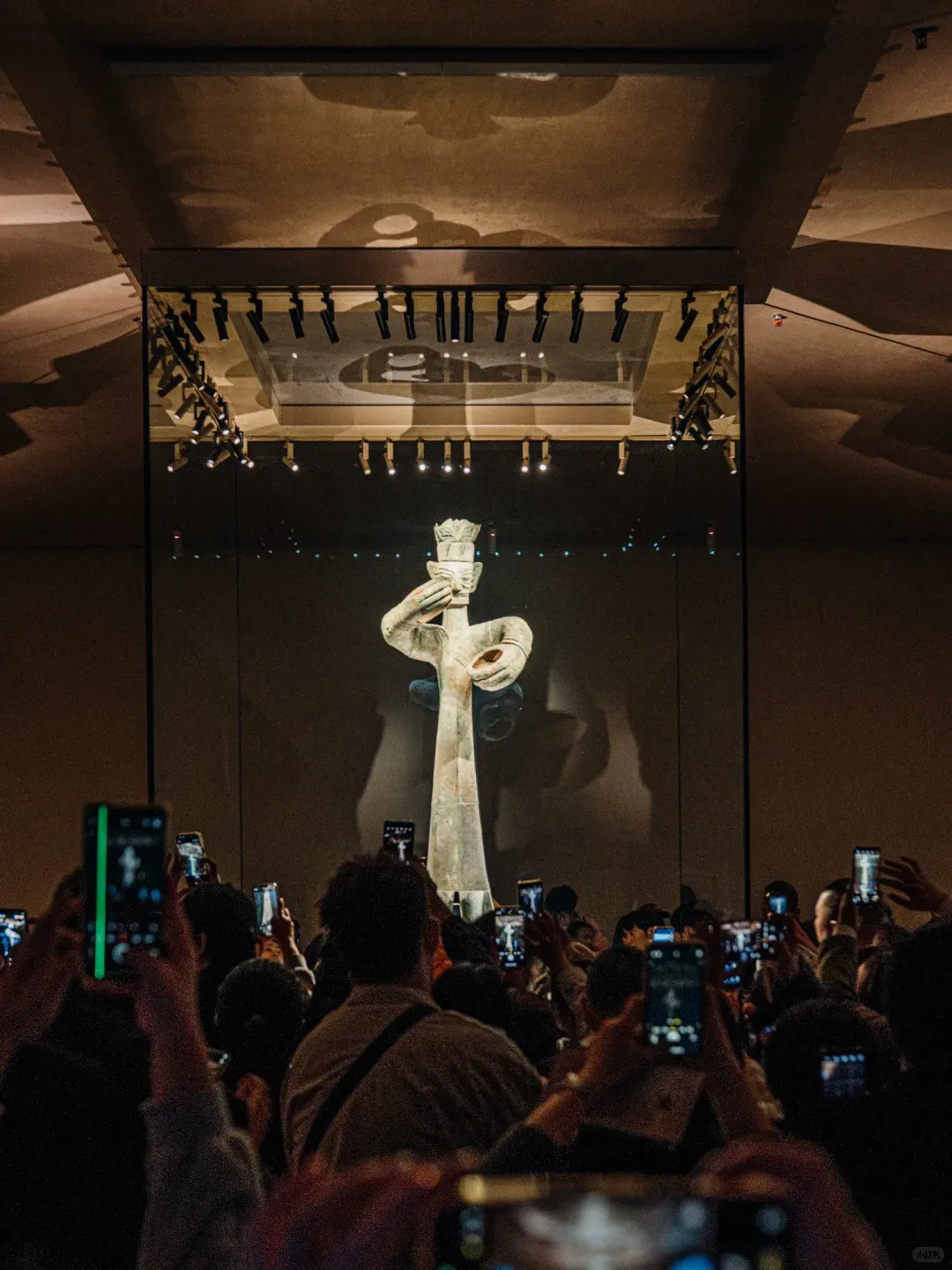
2. Bronze Standing Figure (青铜立人像)
At 262 centimetres tall — including its base — this is the largest human bronze statue from the ancient world at the time of its creation. The figure wears elaborate robes and holds its arms in a position suggesting it once held something, probably ivory or wood that has long since decayed. The hands are disproportionately large, with fingers extended in a gesture that may indicate ritual significance. Standing in front of it, the scale is genuinely startling.
3. Gold Masks (黄金面具)
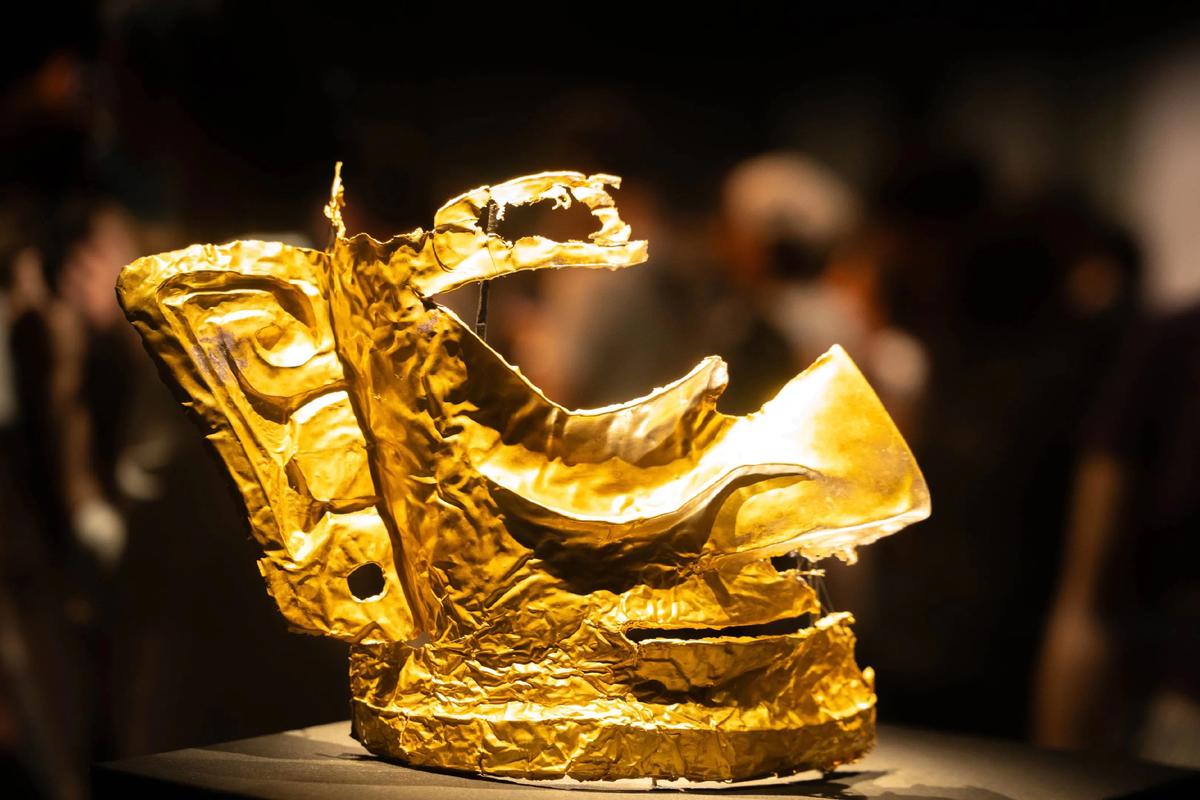
Thin sheets of gold foil hammered into human faces with protruding eyes and wide-set ears — these are the iconic images most people associate with Sanxingdui. The gold content is very high and the workmanship is extraordinarily fine for the period. A partial gold mask unearthed from Pit 3 in 2021, weighing over 280 grams, generated international headlines when it was revealed.
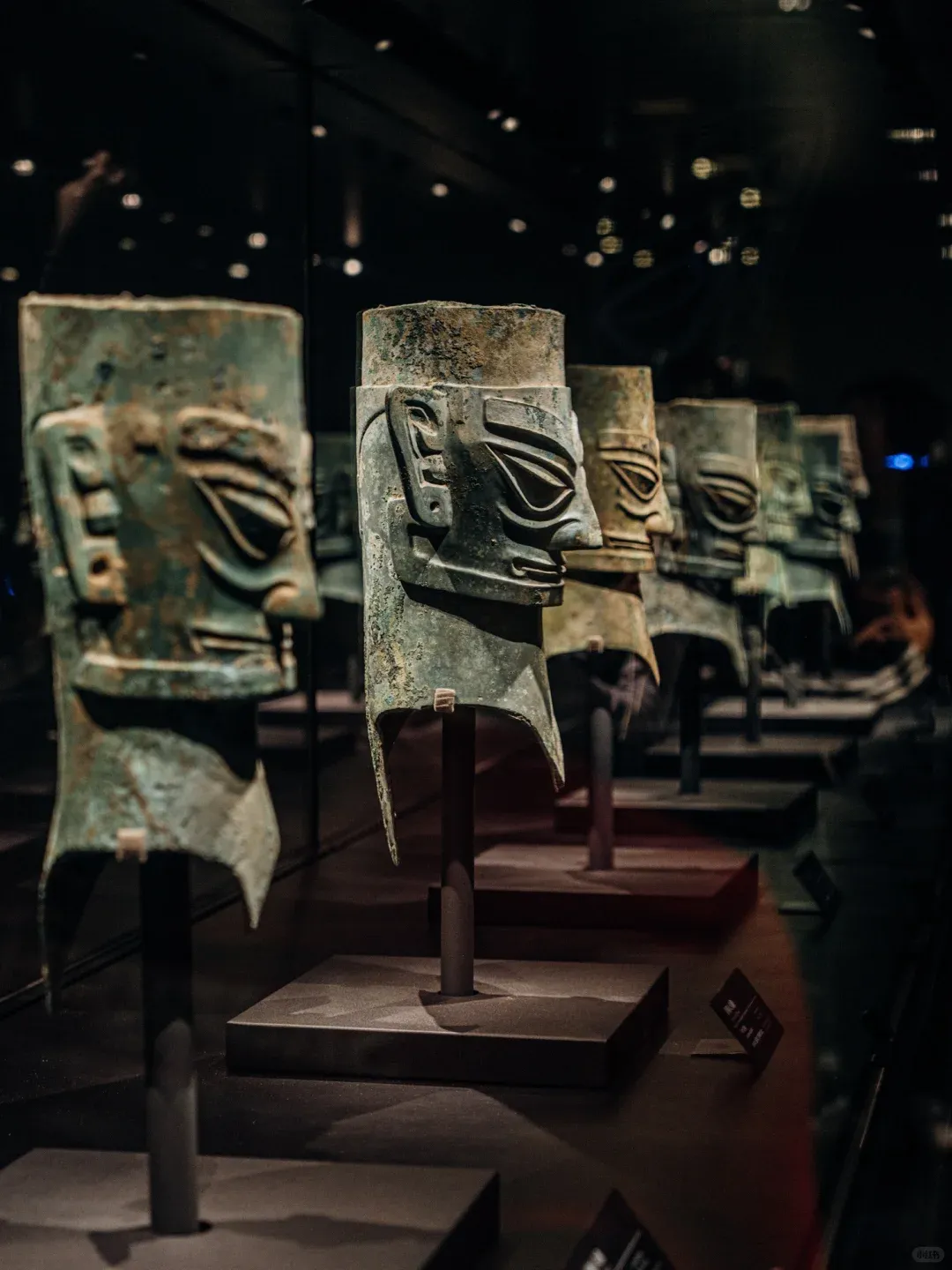
4. Bronze Masks with Protruding Eyes (纵目面具)
The most visually arresting objects in the museum: bronze faces with eyes that extend forward on cylindrical stalks up to 16 centimetres long. No other ancient culture produced anything remotely similar. The leading theory is that the protruding eyes represent supernatural vision — a god or spirit capable of seeing what humans cannot. They will not look like anything you have seen in a museum before.
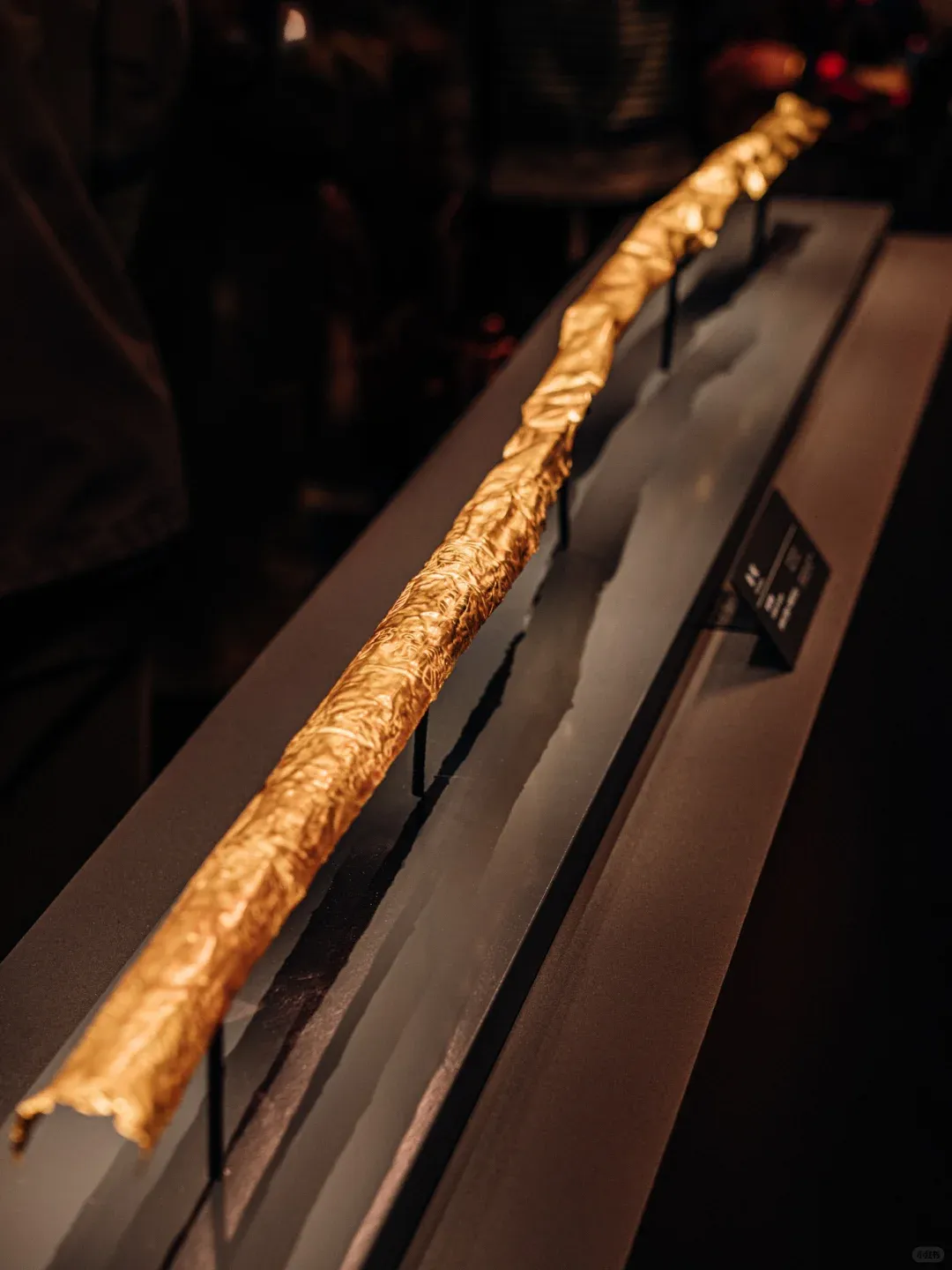
5. Golden Sceptre (金杖)
A wooden sceptre wrapped in nearly half a kilogram of gold foil, engraved with images of fish, birds, and human heads. At 143 centimetres long, it is the largest gold object from this period found in China. The wood interior has long since rotted away, leaving only the gold casing. The engraved figures are delicate and precise — closer in appearance to ancient Egyptian or Mesopotamian goldwork than to anything typically categorised as Chinese.
The Digital Art Theatre: New Addition
On the occasion of the museum's anniversary, a new "Echoes of Heaven and Earth" Digital Art Theatre opened inside the museum. The space features a 20-metre diameter dome screen with near-16K resolution, a 25-channel surround sound system, and an interactive torch matrix that involves audience participation. The experience digitally recreates ancient Shu ritual scenes and is designed to contextualise the artefacts emotionally rather than academically. Worth building into your visit if the schedule aligns — check the museum's official site for showtimes.
How to Get to Sanxingdui Museum from Chengdu
Method | Duration | Notes |
|---|---|---|
Public bus | 60–90 minutes | Bus departs from near Chengdu North Railway Station or in front of the Prada store on Chunxi Road area. Last bus back departs around 7pm — do not miss it. |
Private car / DiDi | 45–80 minutes | Depending on which part of Chengdu you start from. Most flexible option; allows you to control timing and combine with other sites. |
Guided tour | Full day | Many tours combine Sanxingdui with the Chengdu Panda Base — pandas in the morning, museum in the afternoon. Highly recommended for first-time visitors who want context from an English-speaking guide. |
High-speed train + taxi | 30 minutes train + taxi | Train to Guanghan station, then a short taxi to the museum. Fastest option if trains are available at the right time. |
Address: No. 133 Xiangxin Road, Guanghan City, Deyang (about 40 km north of central Chengdu)
How Long to Spend at Sanxingdui Museum
Allow a minimum of three hours for the new building alone. Four to five hours is more realistic if you want to move slowly, read the bilingual explanatory panels, and use the audio guide. Add another hour if you visit the original exhibition halls behind the main building.
The museum is large enough that it rewards pacing — rushing through to see the famous objects and leaving means missing the context that makes those objects meaningful. The "Century Dream" section at the entrance is dense with text but worth spending 30–40 minutes in before moving to the artefacts.
Audio guide: An English audio guide is available via QR code at the entrance. Bring your own earphones. The guide adds substantial context to objects that bilingual panels alone don't fully explain — it is worth the additional fee and significantly improves the experience for non-Chinese-speaking visitors.
Crowds: The museum gets very busy, particularly on weekends and during Chinese national holidays. Tour groups gather around the major pieces and can make it difficult to spend time with the most important objects. Weekday mornings are the quietest. Even on weekday afternoons, the museum reaches capacity.
Summer visits: Queuing outside in Chengdu's summer heat — June through August — can be genuinely unpleasant. The basin geography traps heat and humidity. Arrive early, wear light clothing, and carry water.
Sanxingdui + What Else: Combining Your Day Trip
Because the museum is outside Chengdu, most visitors treat it as a dedicated day trip or half-day excursion. Two natural combinations work well:
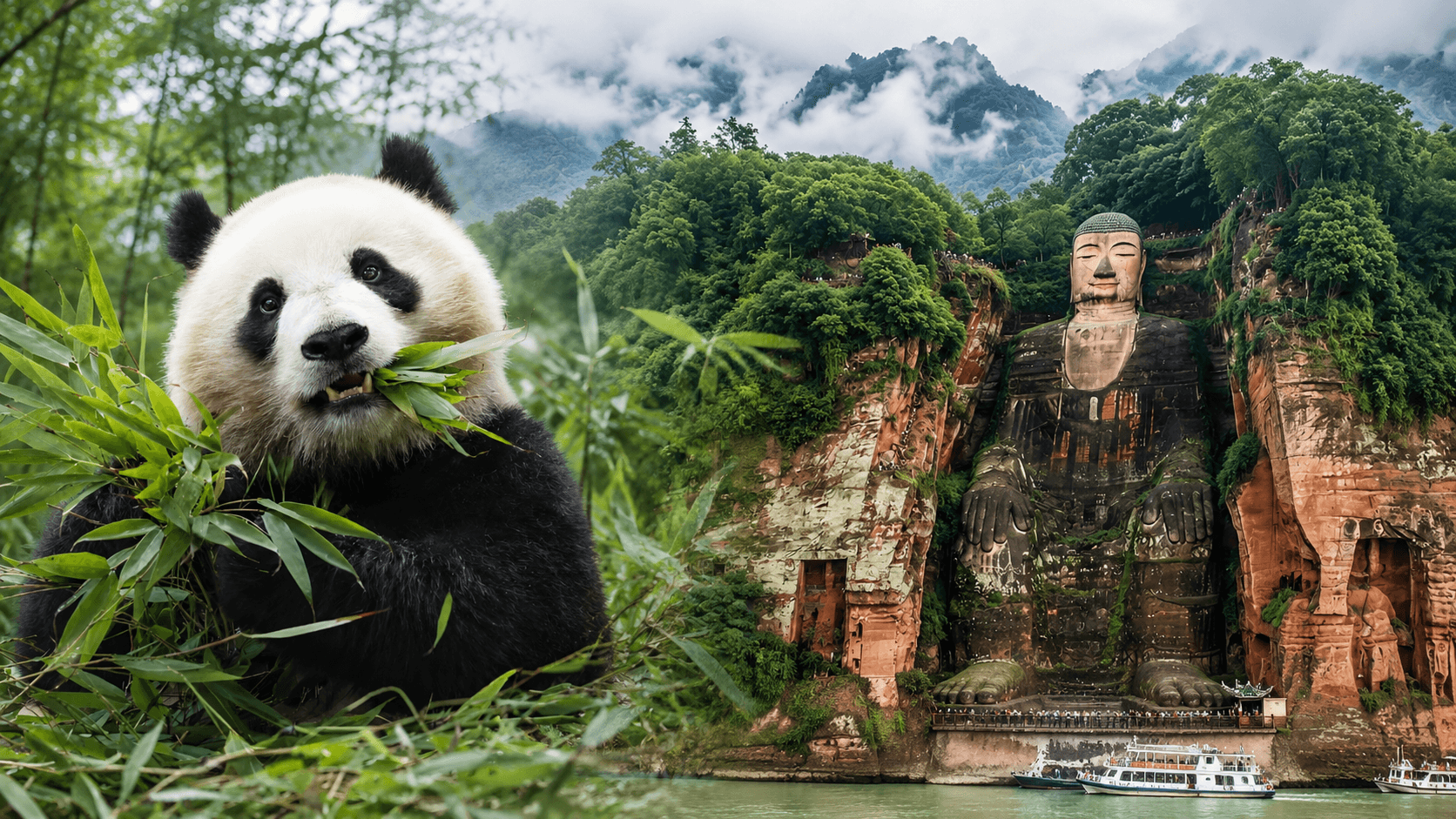
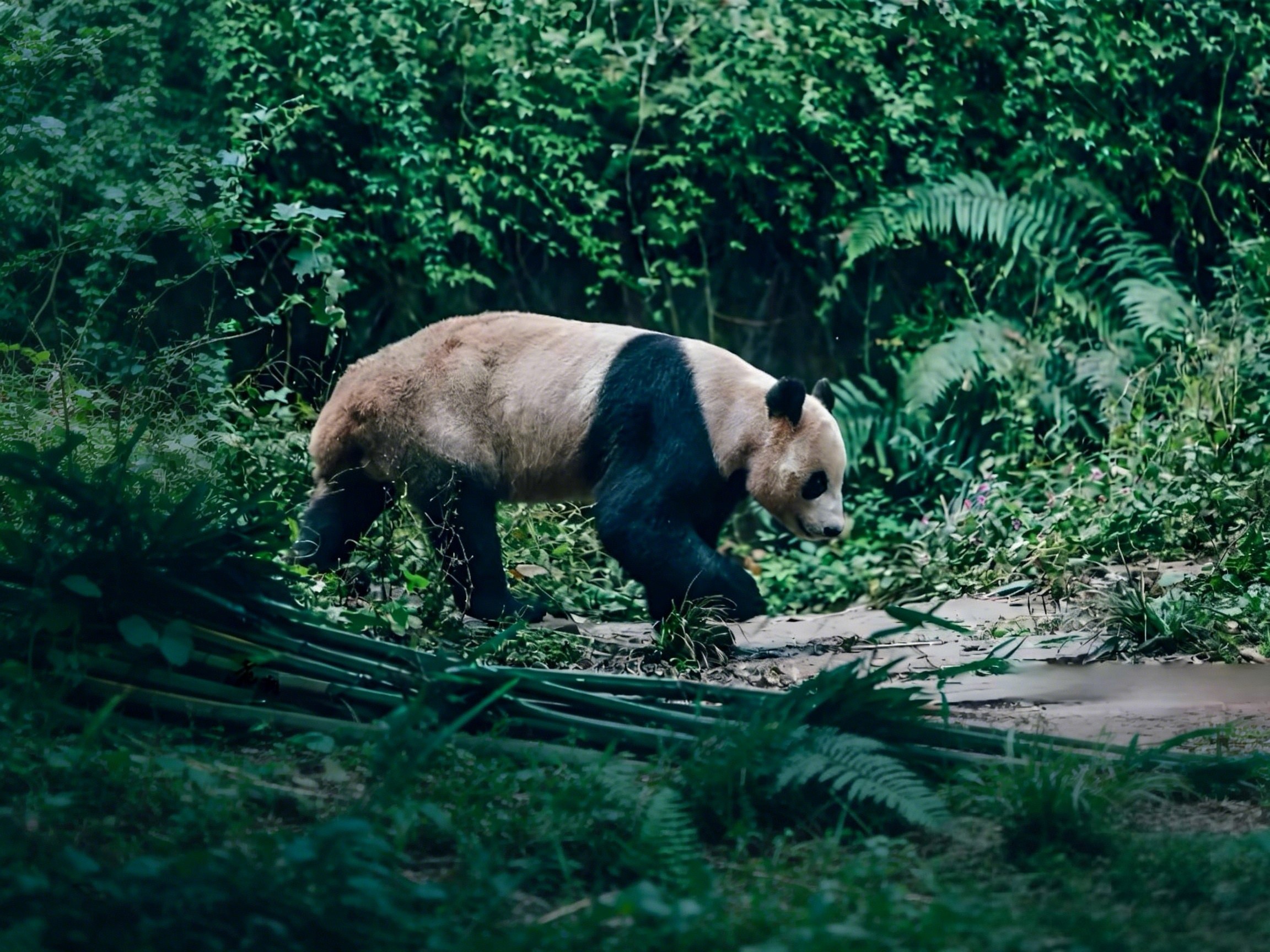
Sanxingdui + Chengdu Panda Base: The most popular pairing. Visit the Panda Base in the morning — pandas are most active before 10am — then travel to Sanxingdui for the afternoon. A guided tour is the smoothest way to do this, as transport between the two sites is otherwise complicated.
Sanxingdui + Jinsha Museum: Jinsha is a smaller but related archaeological site within Chengdu itself, displaying objects from the same ancient Shu civilisation at a slightly later period. Visiting both in a single day — Sanxingdui in the morning, Jinsha in the afternoon — gives a more complete picture of what this civilisation produced across time. A private car or driver makes the logistics manageable.
Is Sanxingdui Museum Worth Visiting? The Honest Verdict
Yes, without hesitation — if you have any interest in history, archaeology, or simply in seeing things that look like nothing else on earth.
The artefacts at Sanxingdui are genuinely unlike anything in any other museum. The bronze masks with protruding eyes, the sacred tree, the gold-foil faces — these are objects that challenge what you thought you knew about ancient civilisations and what they were capable of. The new museum building presents them beautifully, with bilingual signage and enough interpretive material to give non-specialists real context.
The caveats are practical, not qualitative: book tickets well in advance, allow a full half-day, bring the audio guide, and go on a weekday if possible. If you do those things, Sanxingdui will be the most surprising museum visit you have in China.
Frequently Asked Questions
Is Sanxingdui Museum in Chengdu?
Not technically — the museum is located in Guanghan City, approximately 40 kilometres north of central Chengdu. It is consistently described as a Chengdu day trip and is easily reached by public bus, private car, or guided tour. Travel time from central Chengdu is roughly 60–90 minutes depending on your starting point and transport method.
Do I need to book Sanxingdui Museum tickets in advance?
Yes — this is non-negotiable. The museum reaches daily capacity quickly, often selling out days in advance during peak periods. Walk-up tickets are rarely available. Book online through the official museum website or a reputable booking platform, and purchase at least several days ahead of your visit.
How long does a visit to Sanxingdui Museum take?
Three to four hours for the new building alone. Five hours if you include the original exhibition halls. A full day is not excessive if you are genuinely interested in the artefacts and want to use the audio guide properly.
Is there an English audio guide at Sanxingdui Museum?
Yes. An English audio guide is available via QR code. Bring your own earphones. It significantly improves the experience for non-Chinese-speaking visitors — the bilingual panels cover the basics, but the audio guide provides the depth of context that makes the artefacts genuinely meaningful rather than just visually impressive.
What is the best time of year to visit Sanxingdui Museum?
Spring (March–May) and autumn (September–November) offer the most comfortable temperatures. Chengdu summers (June–August) are hot and humid — the queue outside the museum in summer heat can be unpleasant. Avoid Chinese national holidays and the Chinese New Year period entirely.
Can I combine Sanxingdui Museum with a Chengdu city tour?
Yes, though the distance makes same-day combinations require planning. The most popular combination is Sanxingdui with the Chengdu Panda Base — pandas in the morning, the museum in the afternoon. For those who want to stay in the city, the Jinsha Museum in Chengdu displays artefacts from the same ancient Shu civilisation and makes a good half-day alternative or follow-up. You can explore Chengdu itself on foot — our Chengdu city walking tour guide covers the best neighbourhoods to walk through before or after your day trip.
Is Sanxingdui Museum suitable for children?
Yes, particularly for children who are drawn to mystery and unusual-looking things — the bronze masks with protruding eyes and the enormous sacred tree tend to make a strong impression on younger visitors. The museum is large, so younger children may tire before the end; prioritise the second-floor "Heaven, Earth, Man and God" section if time is limited. The new Digital Art Theatre with its dome screen and interactive elements is specifically engaging for children.
Planning the rest of your Chengdu itinerary? Our Chengdu city walking tour guide covers the best neighbourhoods on foot, and our Chengdu food walking tour maps out the city's best eating areas by district — a good way to spend the evening after returning from Sanxingdui.