Chengdu City Walking Tour: The Complete Self-Guided Itinerary
Chengdu city walking tour with our complete guide — from Jinli Ancient Street to Kuanzhai Alley. Free itineraries, insider tips, and what not to miss.

Chengdu City Walking Tour: The Complete Self-Guided Itinerary (2026)
Chengdu moves at its own pace. Locals sip tea for hours in bamboo-shaded courtyards, street vendors fan grills of cumin-dusted skewers, and centuries-old lanes wind between glass towers without apology. The best way to feel all of this? Lace up a comfortable pair of shoes and walk.
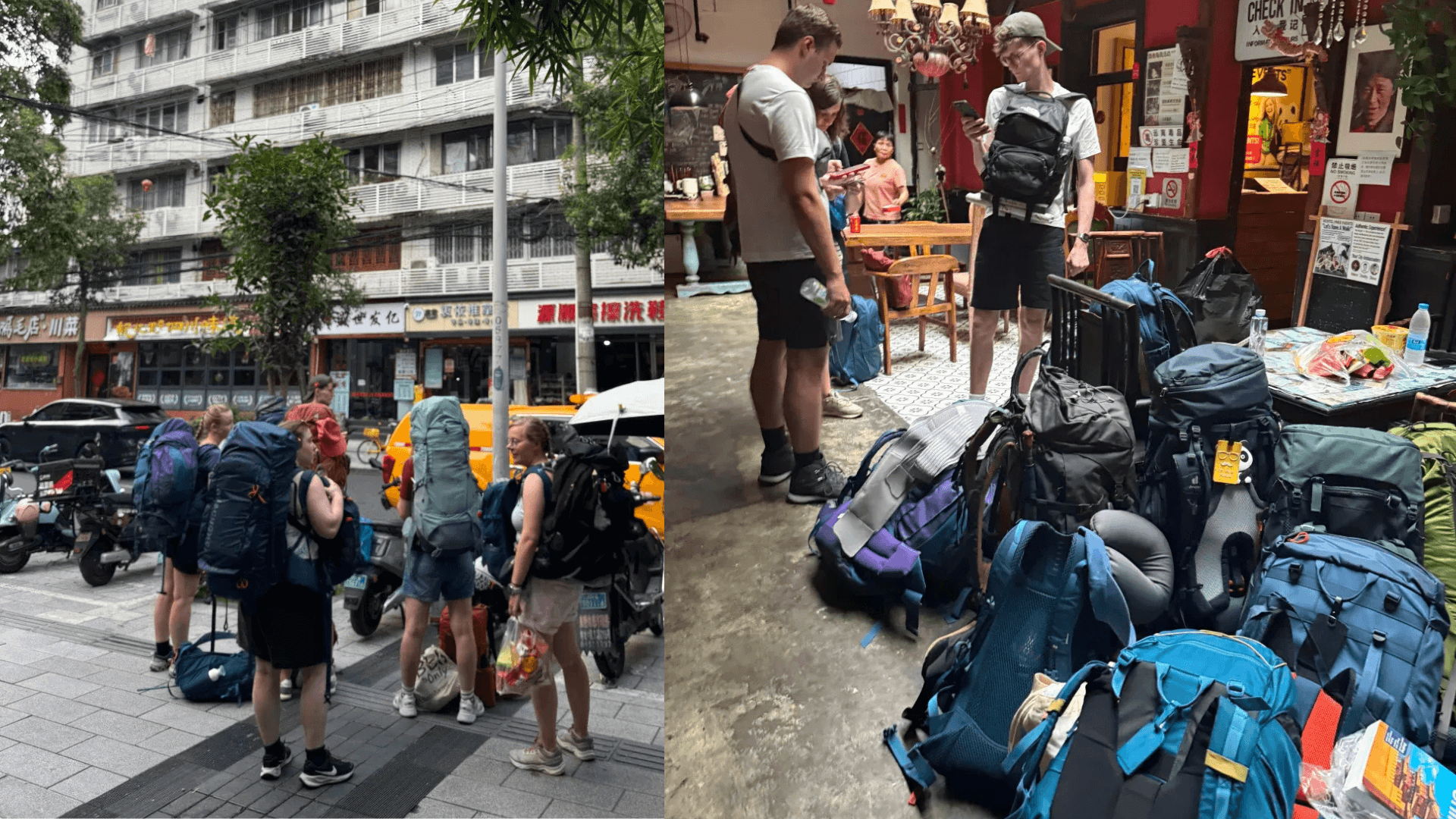
This guide covers three distinct Chengdu city walking tour routes — from a half-day stroll for first-timers to a full-day deep dive for curious explorers. Whether you have four hours or a full weekend, you'll find everything you need below.
Why Walking Is the Best Way to See Chengdu
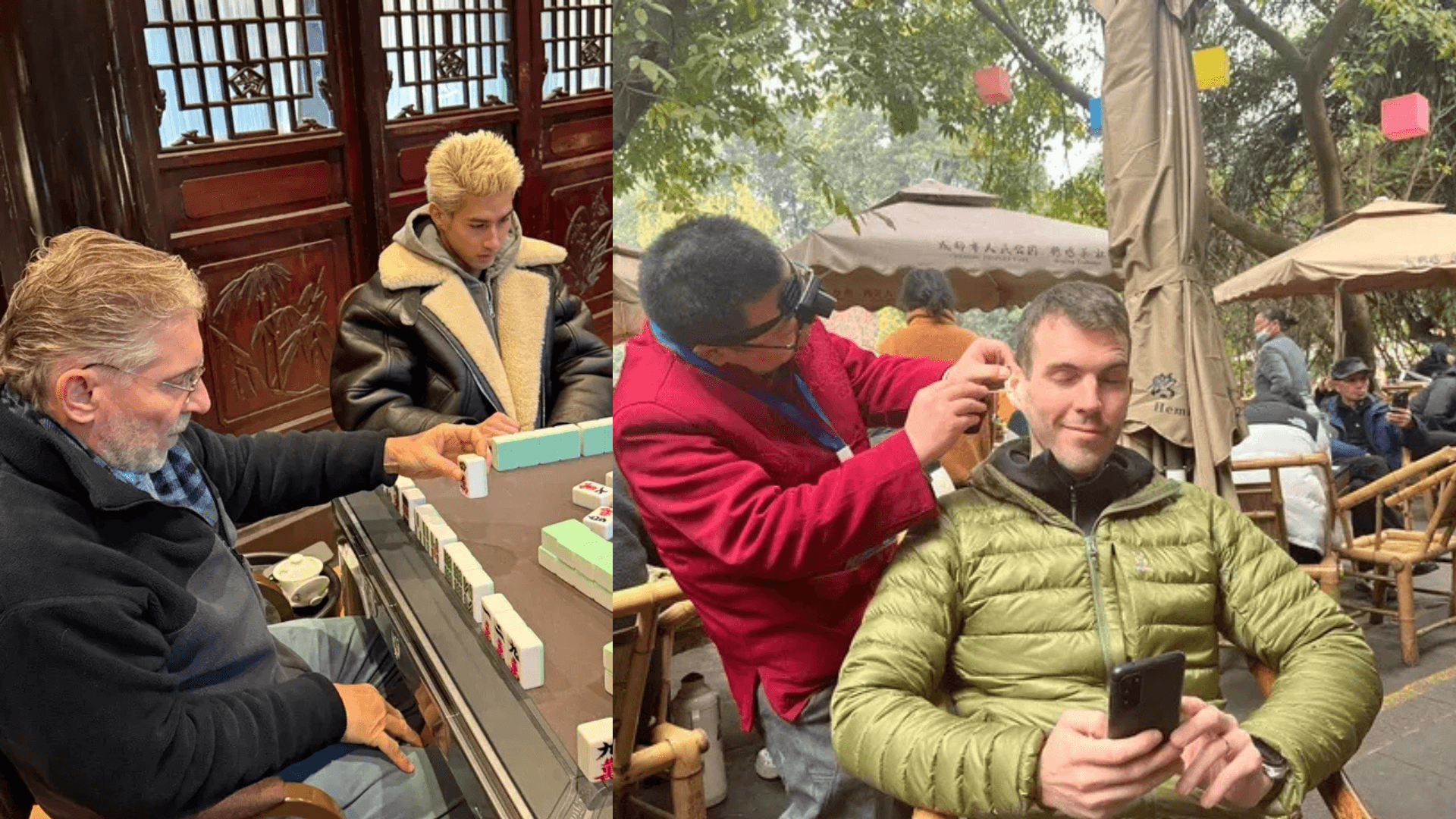
Chengdu's most rewarding neighbourhoods are compact and pedestrian-friendly. The metro and taxis are excellent for long distances, but they'll take you straight past the narrow hutong-style alleys, the incense smoke curling out of hidden temple gates, and the grandmothers playing mahjong on plastic stools.
Walking also gives you time to eat — and in Chengdu, eating is non-negotiable.
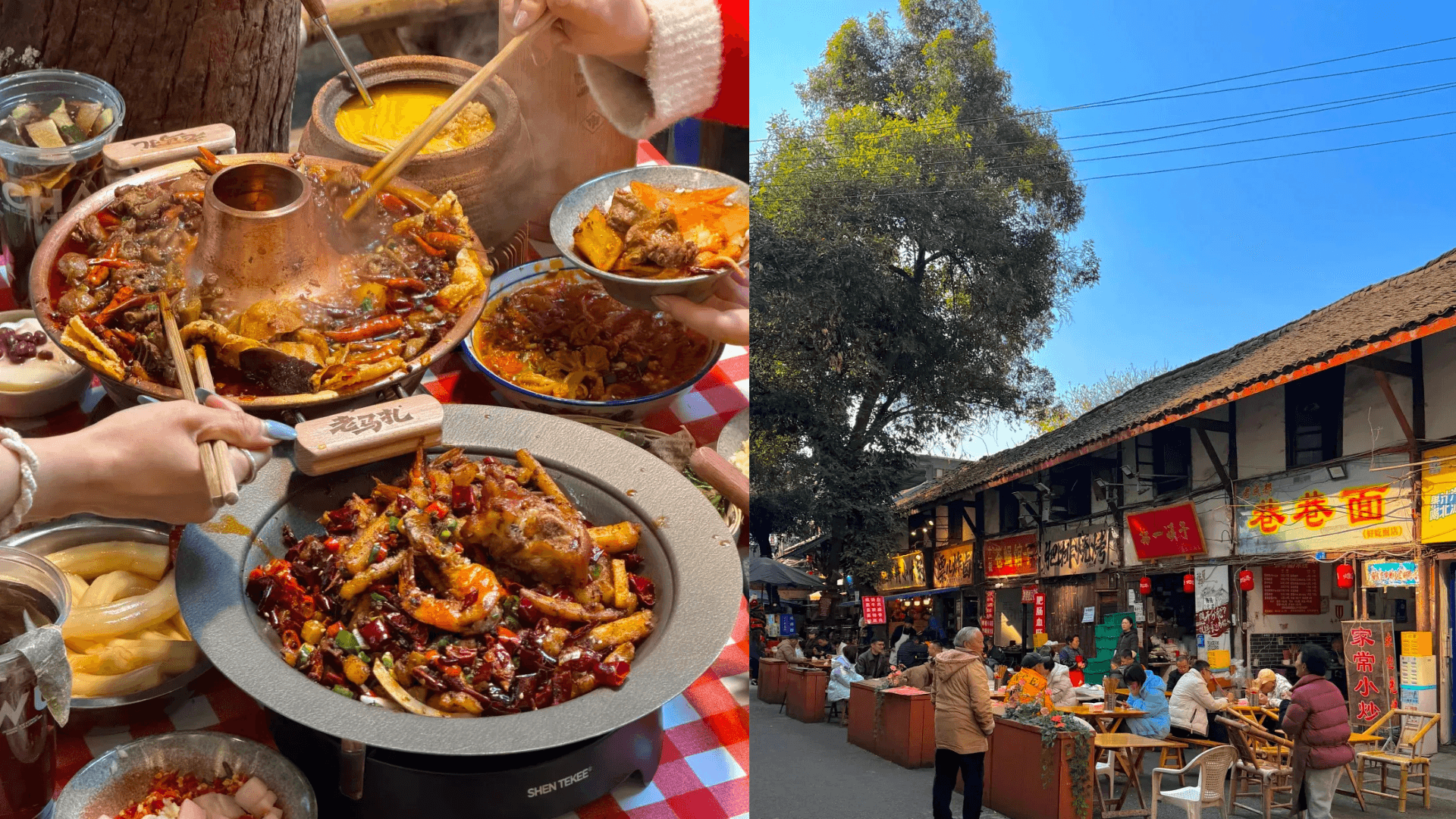
Route 1: The Classic Half-Day Loop (3–4 Hours)
Best for: First-time visitors, families, anyone with limited time
Starting point: Tianfu Square Metro Station (Lines 1 & 2)
Distance: Approximately 4 km
Stop 1: Tianfu Square (天府广场)
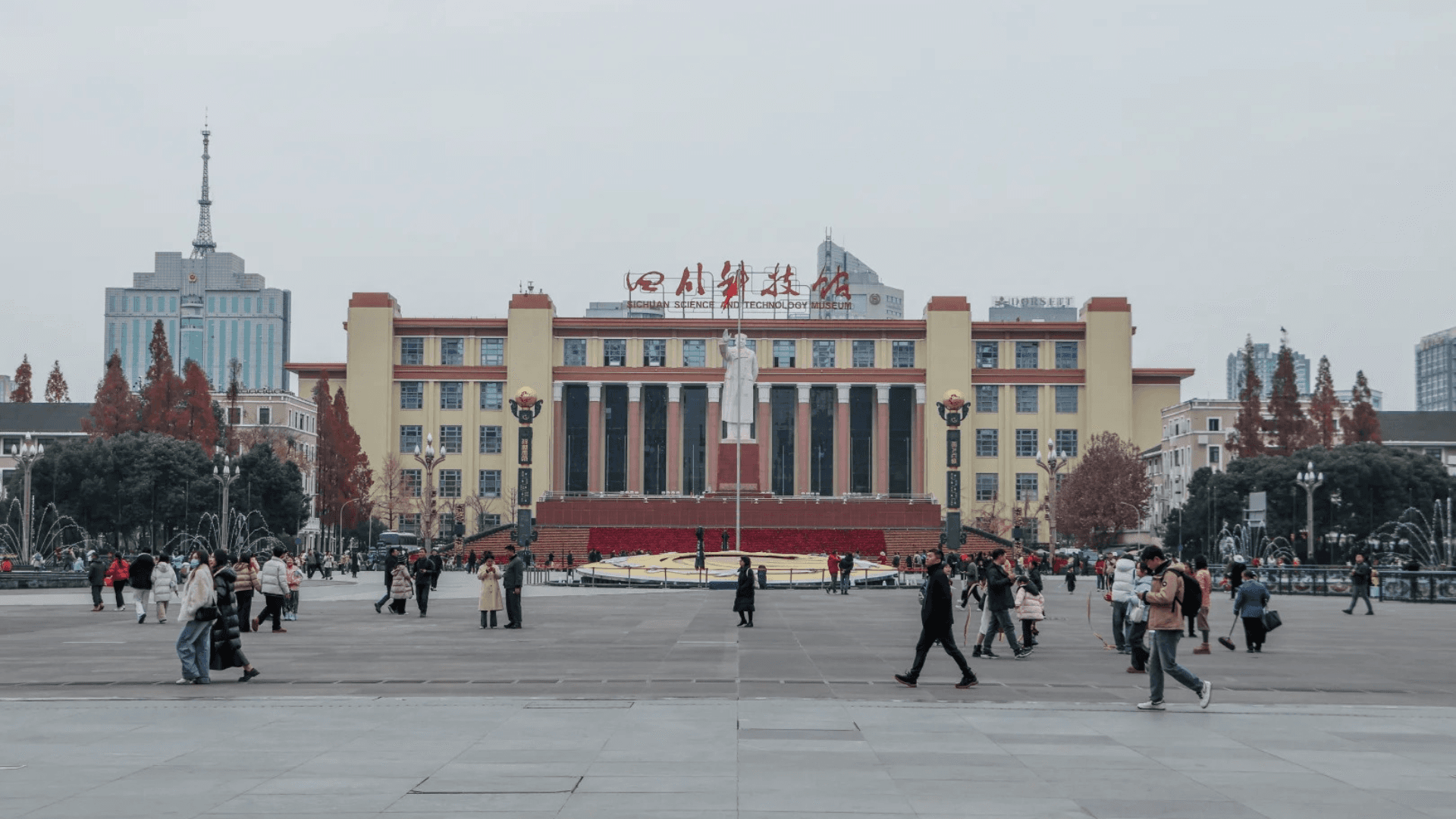
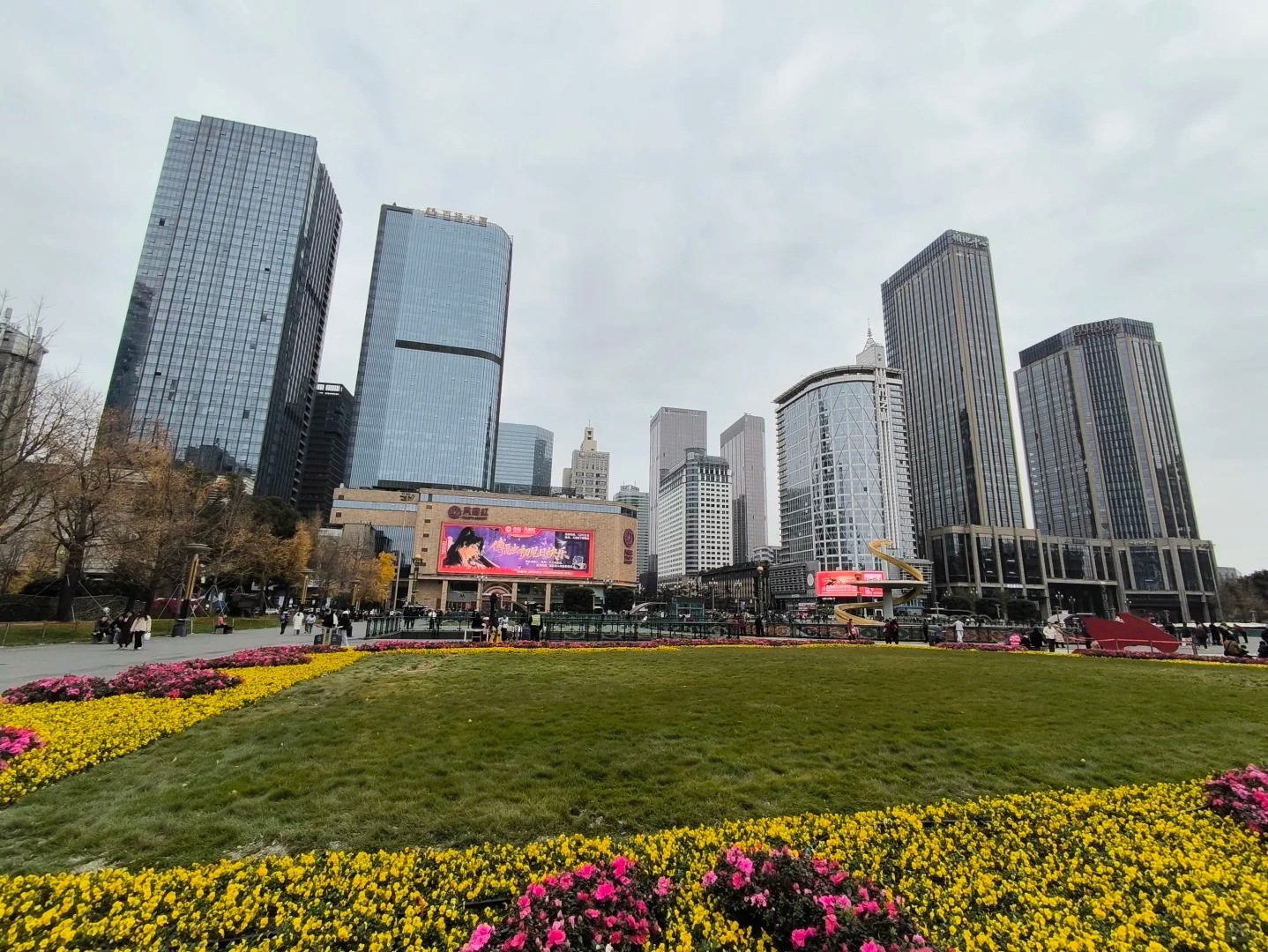
Start at Chengdu's symbolic heart. The square is flanked by the Sichuan Museum and the Chengdu Museum — both free to enter and excellent if you want historical context before you walk. The giant Mao statue and fountain make for an iconic photo, especially at golden hour.
Insider tip: The underground Tianfu Square shopping area has clean, free public restrooms — use them now, because good public toilets get rarer as you head into the old lanes.
Stop 2: Chunxi Road (春熙路) — 15-minute walk east
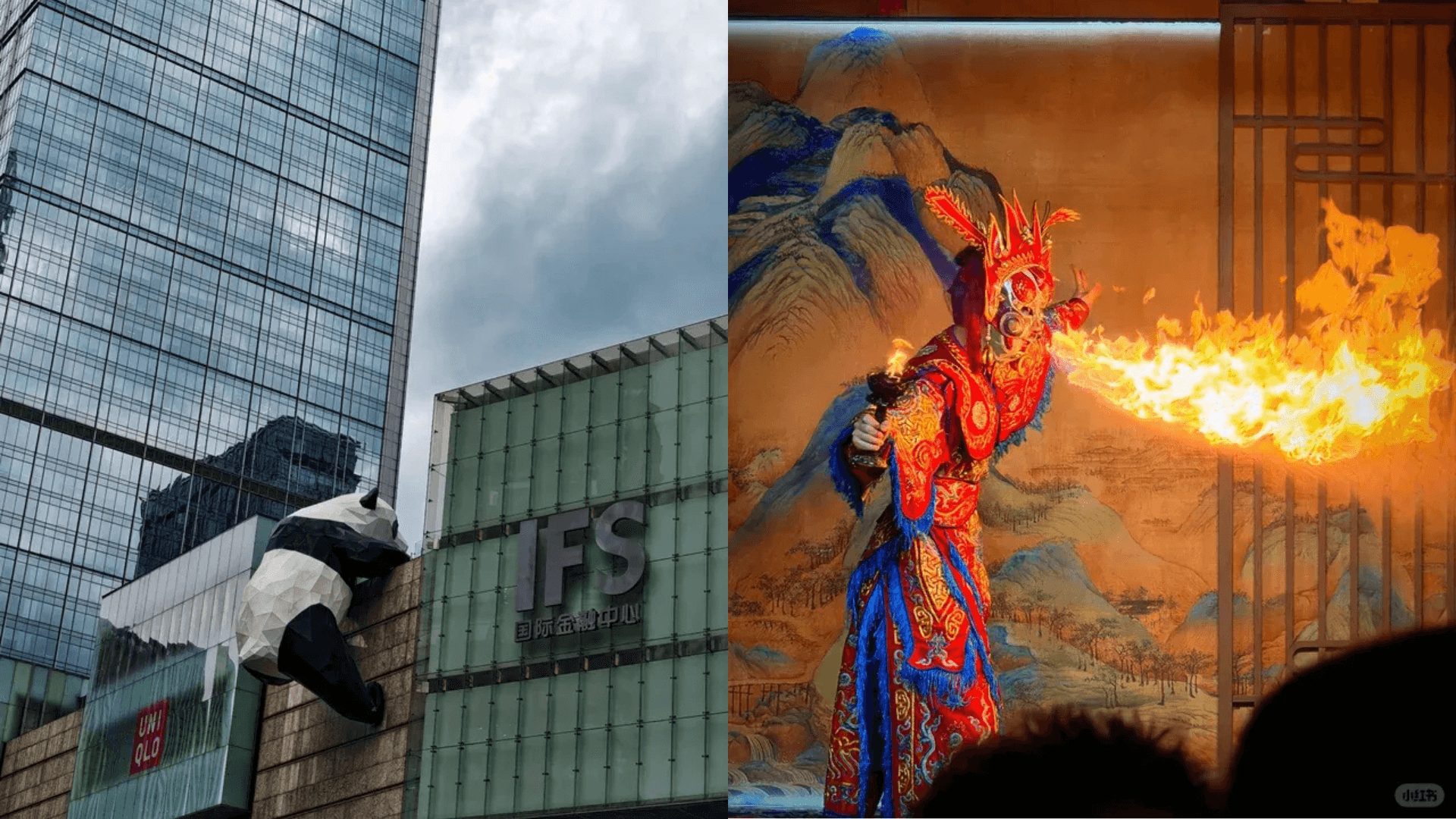
Chengdu's busiest commercial street is loud, bright, and worth seeing even if you're not a shopper. The IFS mall has a rooftop giant panda sculpture that's become one of the city's most photographed spots. Duck into the side lanes around Chunxi Road for cheaper snacks and local fashion.
Stop 3: Jinli Ancient Street (锦里古街) — 20-minute walk or short taxi
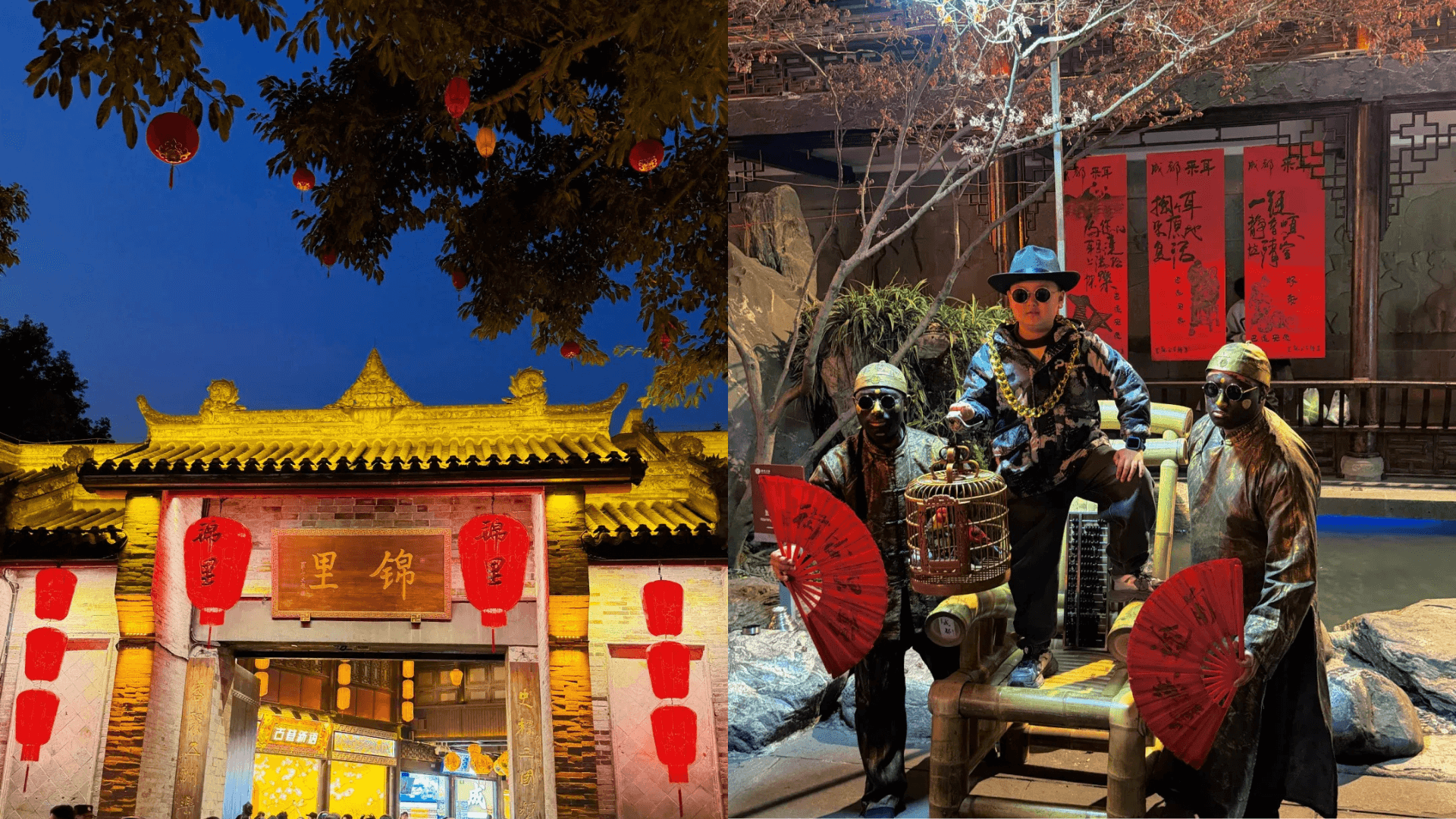
Jinli is Chengdu's most tourist-friendly old street, which means it's busy — but it's busy for a reason. The snack vendors here are the real draw:
Rabbit head (兔头, tù tóu) — a Chengdu obsession, eat it cold with numbing chilli oil
Tangyuan — glutinous rice balls in sweet broth
Zhong dumplings (钟水饺) — thin-skinned, dressed in a dark soy and chilli sauce
Walk past the Wuhou Shrine (武侯祠) entrance at the western end of Jinli. You can enter for ¥50 if time allows — it's the largest Three Kingdoms cultural site in China.
Route 2: Old Chengdu Full-Day Walk (6–7 Hours)
Best for: Culture lovers, photographers, repeat visitors
Starting point: Kuanzhai Alley (Kuan Alley) Metro Station
Distance: Approximately 7–9 km
Morning: Kuanzhai Alley (宽窄巷子)
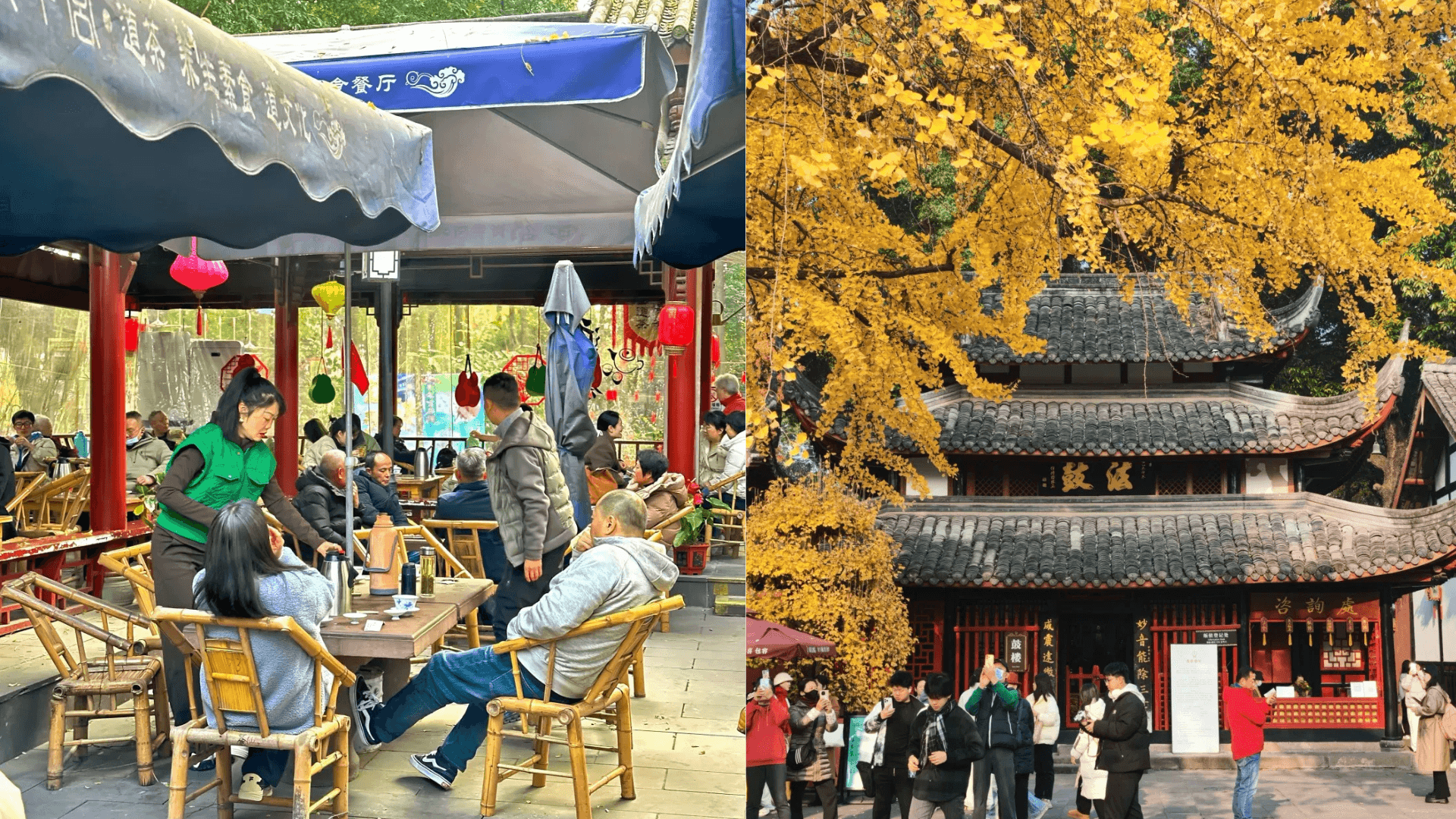
Arrive before 9am to beat the crowds. Kuanzhai — meaning "Wide and Narrow Alley" — is three parallel lanes of preserved Qing Dynasty courtyard houses. The buildings are beautiful; the vibe at this hour is genuinely local, with elders doing tai chi and teahouses setting out their first pots.
The three lanes have different personalities:
Lane | Character |
|---|---|
Kuan Alley (宽巷子) | Upscale cafés, boutiques, slower pace |
Zhai Alley (窄巷子) | Restaurants, local cuisine, slightly busier |
Jing Alley (井巷子) | Street food, a famous cat-themed wall, younger crowd |
Don't miss: A traditional Sichuan face-changing (变脸, biàn liǎn) performance inside one of the teahouses. Prices vary — ¥80–200 per person depending on the venue and whether tea is included.
Midday: Qingyang Palace (青羊宫) & People's Park (人民公园)
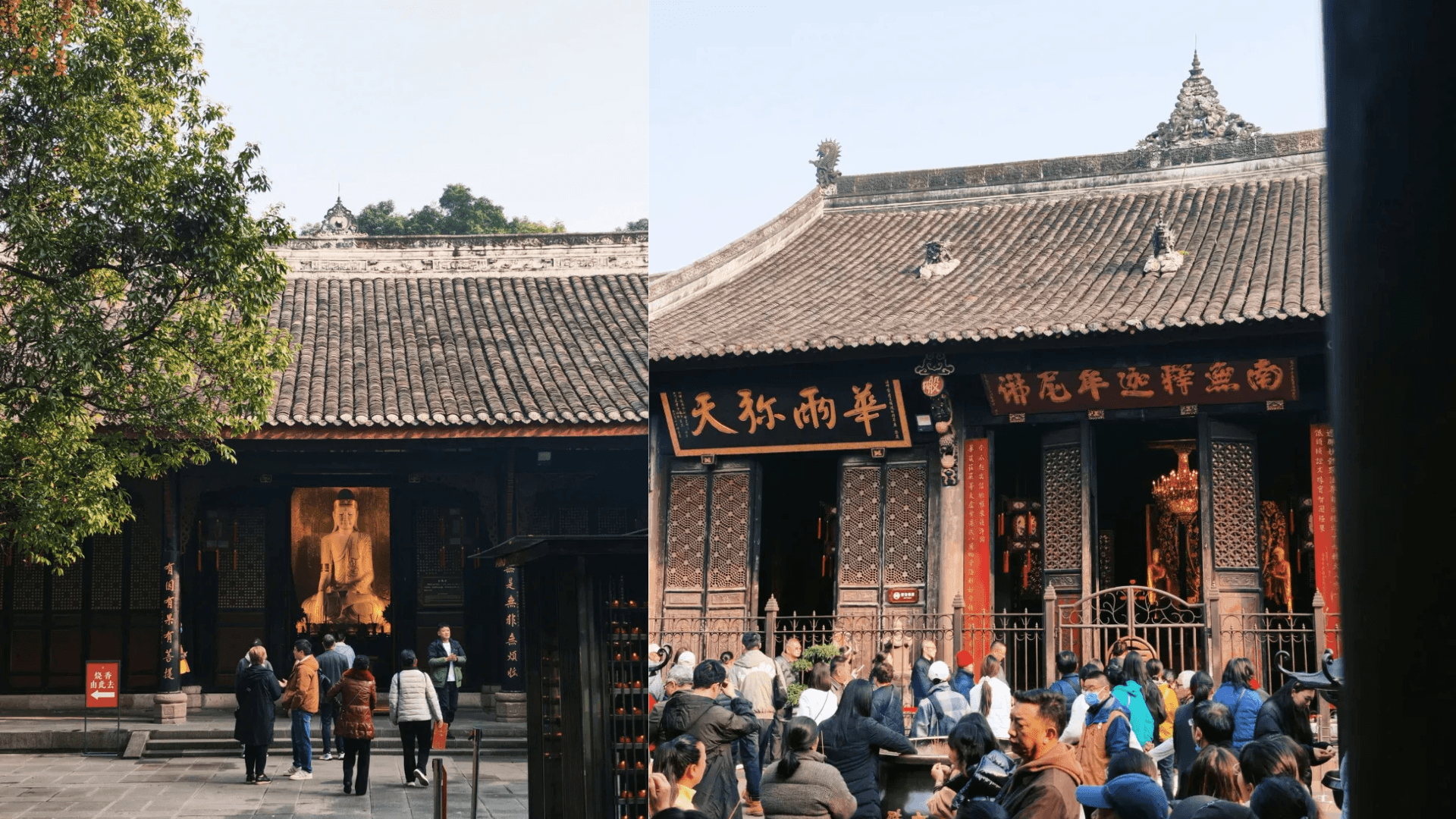
A 15-minute walk south brings you to Qingyang Palace, Chengdu's oldest Taoist temple. The bronze goat statues are said to bring good luck — rub the part that corresponds to wherever you feel unwell.
Right next door, People's Park is where Chengdu's soul lives on a weekday morning. The park's matchmaking corner has hand-written profiles posted by hopeful parents searching partners for their adult children. The teahouse on the lake serves a bottomless cup of Gaiwan tea for around ¥12 — cheaper than most cities in China, and the best ¥12 you'll spend.
Afternoon: Wenshu Monastery (文殊院) District
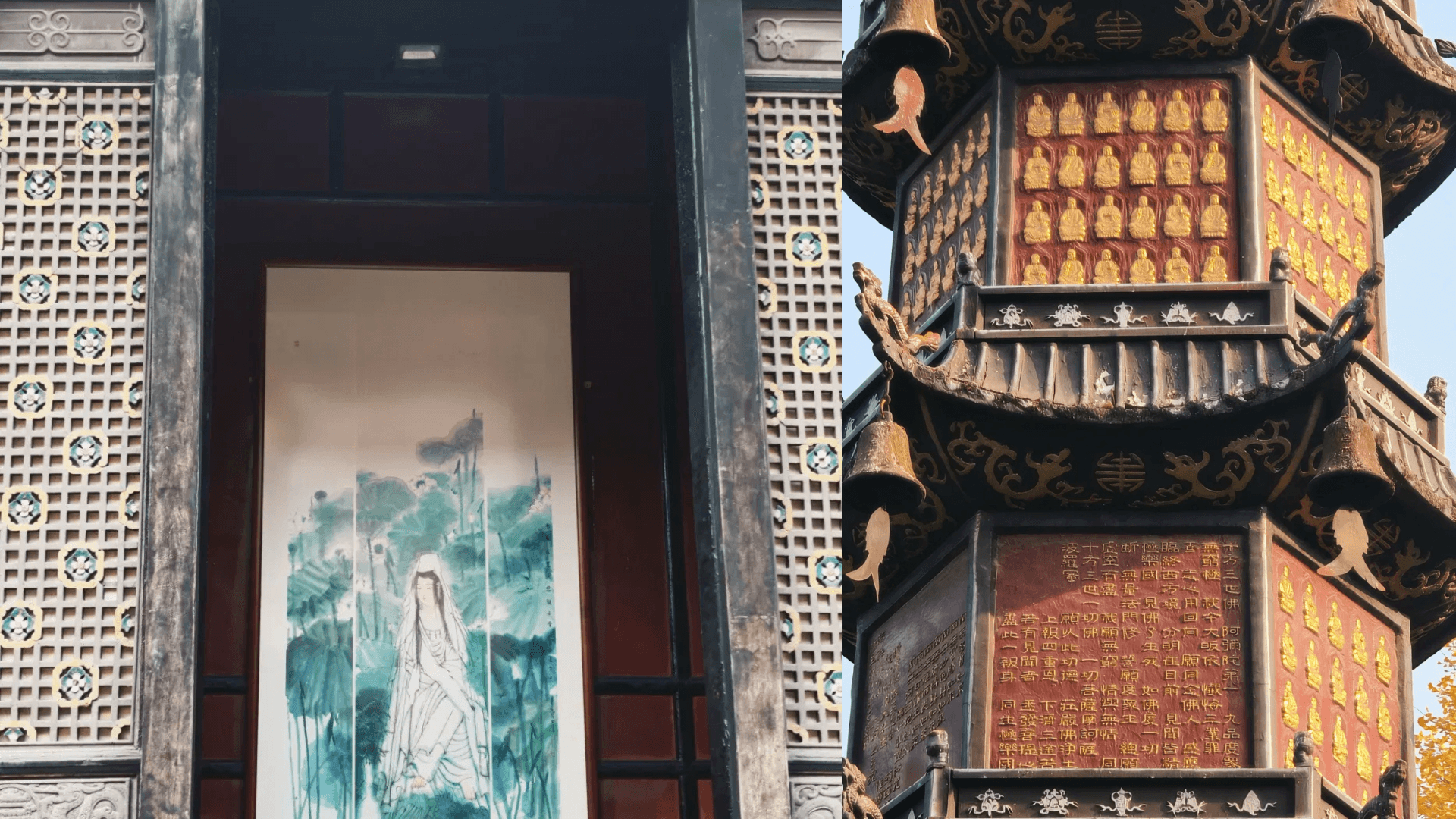
Take a short cab or walk northeast to Wenshu Monastery, the best-preserved Buddhist monastery in Chengdu. Free entry, heavy incense, genuinely active worship. The monastery's own vegetarian restaurant is excellent — try the cold skin noodles.
The surrounding alleys — particularly Wenshuyuan Street and the side lanes heading toward the Shaocheng area — are full of antique shops, calligraphy stalls, and small tea merchants where you can buy directly from sellers who know what they're talking about.
Route 3: Neighbourhood Deep Dive (Shaocheng & Dongmen)
Best for: Design-conscious travellers, slow travel enthusiasts, anyone staying 3+ nights
Starting point: Dongmen Bus Terminal (东门大桥)
Distance: 4–6 km, deliberately unhurried
Shaocheng (少城) is the neighbourhood that most visiting photographers wish they'd discovered earlier. It's not on most standard itineraries.
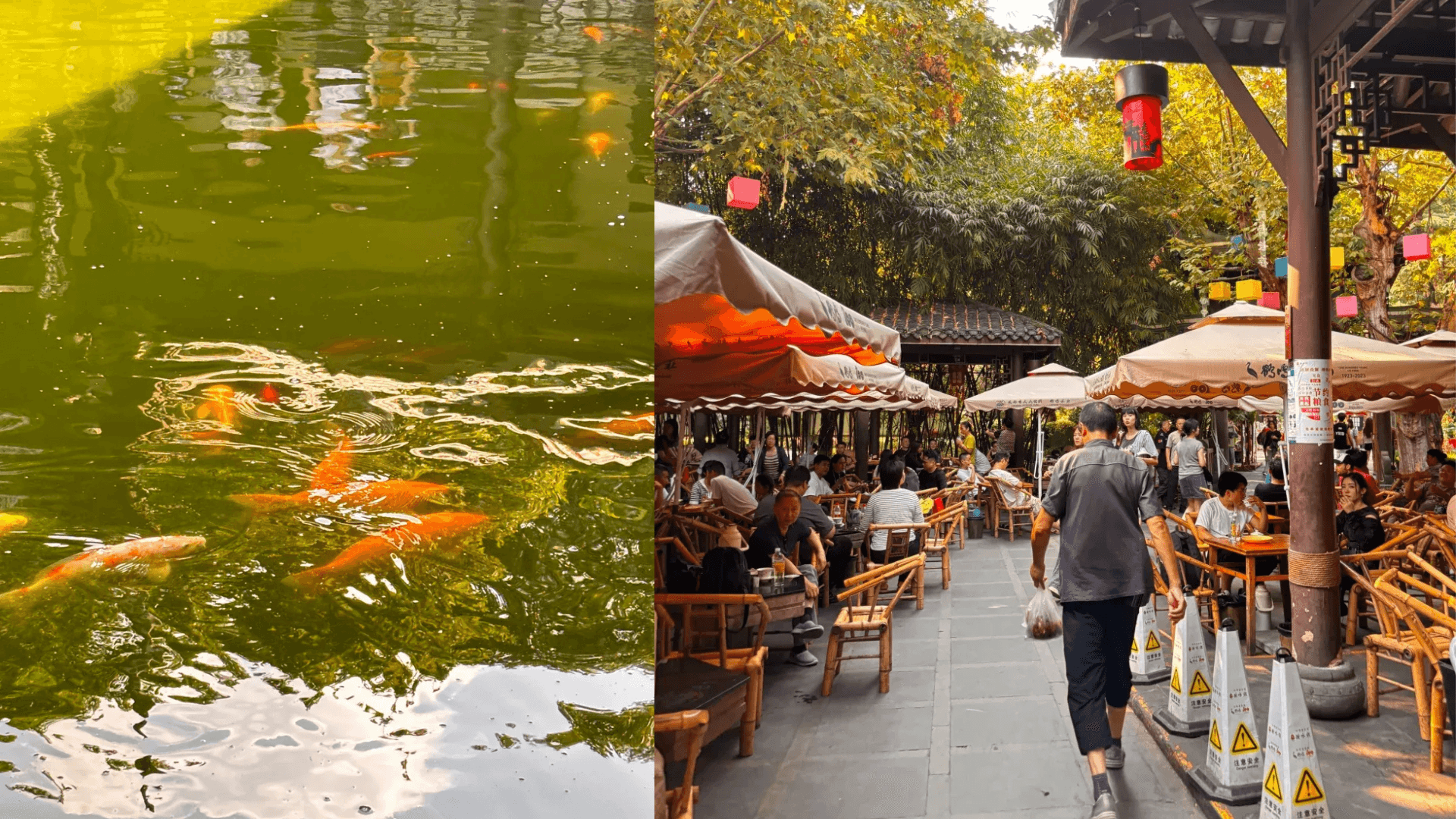
The grid of quiet streets between Qingyang District and the second ring road has:
Independent bookshops and vinyl record stores
Renovation-era courtyard cafés where local designers and artists work
Street murals commissioned by the city during recent cultural investment
Almost zero tourist infrastructure — which means real prices and no English menus (use a translation app)
From Shaocheng, walk east along the riverbank toward the Dongmen area, which has undergone significant regeneration since 2021. The old bus terminal building has been converted into a creative market with weekend pop-ups, craft beer bars, and a small outdoor performance stage.
Practical Information for Your Chengdu Walking Tour
Best Time to Walk
Morning (7–10am): Coolest air, most local activity, best light for photos
Late afternoon (4–7pm): Second peak of street food activity, golden hour
Avoid: 12–3pm in summer (June–August) — Chengdu's basin geography traps heat and humidity
What to Wear
Chengdu is frequently overcast and occasionally rainy — a light jacket and comfortable waterproof shoes are more useful than sunscreen. Locals carry small umbrellas year-round.
Getting Around Between Routes
Metro: Reliable, cheap (¥2–5 per journey), signs in English
DiDi: Chengdu's ride-hailing app (download before you arrive, link to a payment method)
Bicycle: Shared bikes (Hello Bike, Meituan Bike) are everywhere — ¥1.5 per 30 minutes with a Chinese payment app
How Much to Budget
A full day of walking, eating street food, and a single paid attraction (e.g., Wuhou Shrine) costs ¥80–150 per person. Sit-down meals at local restaurants add another ¥30–80.
Frequently Asked Questions
Is Chengdu safe for solo walkers?
Yes. Chengdu consistently ranks among China's safer cities. Petty theft is rare in tourist areas and the street culture is relaxed and welcoming toward foreign visitors.
Do I need to speak Mandarin?
Not for the main tourist routes — Kuanzhai Alley and Jinli have enough English signage and staff. Off-route, Google Translate's camera function handles menus well.
Can I do a Chengdu walking tour with children?
Route 1 (the Classic Loop) works well with children. The panda-themed activities around IFS and Jinli are a hit. Route 2 is manageable but long — consider splitting it over two mornings.
What is the best walking tour of Chengdu for a one-day visit?
Combine Route 1 and the Kuanzhai section of Route 2 — start at Kuanzhai at 8:30am, walk to People's Park for tea, then taxi to Jinli for lunch and afternoon snacking. You'll cover the highlights without rushing.
Final Word
A Chengdu city walking tour is less about ticking off landmarks and more about learning to move at the city's pace — which is slower and more pleasurable than almost anywhere else in China. Get a little lost. Accept the tea that someone's grandmother presses into your hands. Eat the rabbit head, even if it looks alarming.
Chengdu rewards the people who slow down.
Planning a guided experience? Browse our Chengdu private walking tours and half-day cultural tours for expert-led itineraries with a local guide.
Internal Links Used:
/chengdu-private-walking-tours
/chengdu-half-day-cultural-tours
/chengdu-food-tour-guide
/wuhou-shrine-guide
/kuanzhai-alley-complete-guide
Schema Markup Recommended: Article + FAQPage + BreadcrumbList