Kuanzhai Alley Walking Tour: A Street-by-Street Guide (With Timings)
The complete Kuanzhai Alley walking tour — which lane to start in, what to eat, when to arrive, and the hidden courtyards most visitors walk straight past.

Kuanzhai Alley Walking Tour: A Street-by-Street Guide (With Timings)
Most guides tell you that Kuanzhai Alley — Chengdu's famous "Wide and Narrow Alley" district — is made up of three historic lanes. That's true. What they don't tell you is which lane to start in, why the order matters, exactly what to eat and where to stand to eat it, and how badly the afternoon crowds will ruin your photos if you show up at the wrong time.
This is a walking guide in the truest sense: a street-by-street, stop-by-stop account of how to spend two to three hours in one of Chengdu's most visited — and most easily wasted — neighbourhoods.
The Basics Before You Walk
Entry fee: Free
Opening hours: All day, every day (most shops open 9am–10pm)
Time needed: 2 hours minimum; 3–4 hours if you eat and explore properly
Getting there: Metro Line 4 to Kuanzhai Alley Station, Exit B. Cross the road — you're at the entrance.
Best days: Weekdays. Weekend crowds are formidable.
When to Arrive — and Why It Matters
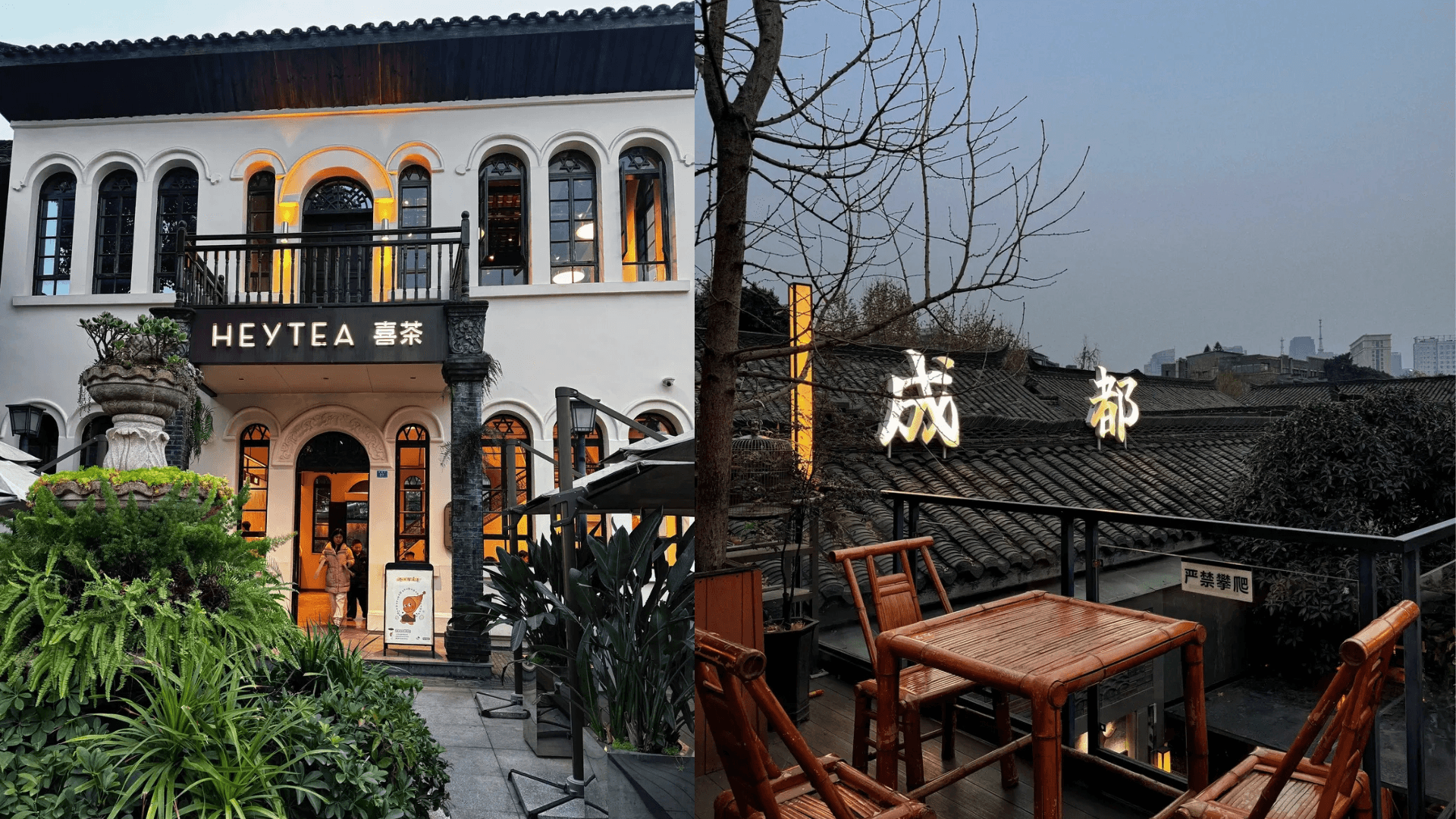
Weekday mornings are the best time for photos. The alleys get crowded after 10am, so arriving early means softer light, grey brick walls without bodies in front of them, and shops just opening their shutters.
The ideal window: 8:00–10:00am. If you hate crowds, 8am is your only window. By noon, the alleys become a river of humans.
The second-best window: 4:30–7:00pm. Late afternoon brings soft, golden light that makes the traditional buildings glow. Early evenings are best for atmosphere, when lanterns start to glow.
Avoid: Saturday and Sunday afternoons. Chinese national holidays. The fortnight around Chinese New Year (mid-January to mid-February, depending on the year).
The Three Lanes: What Each One Is Actually For
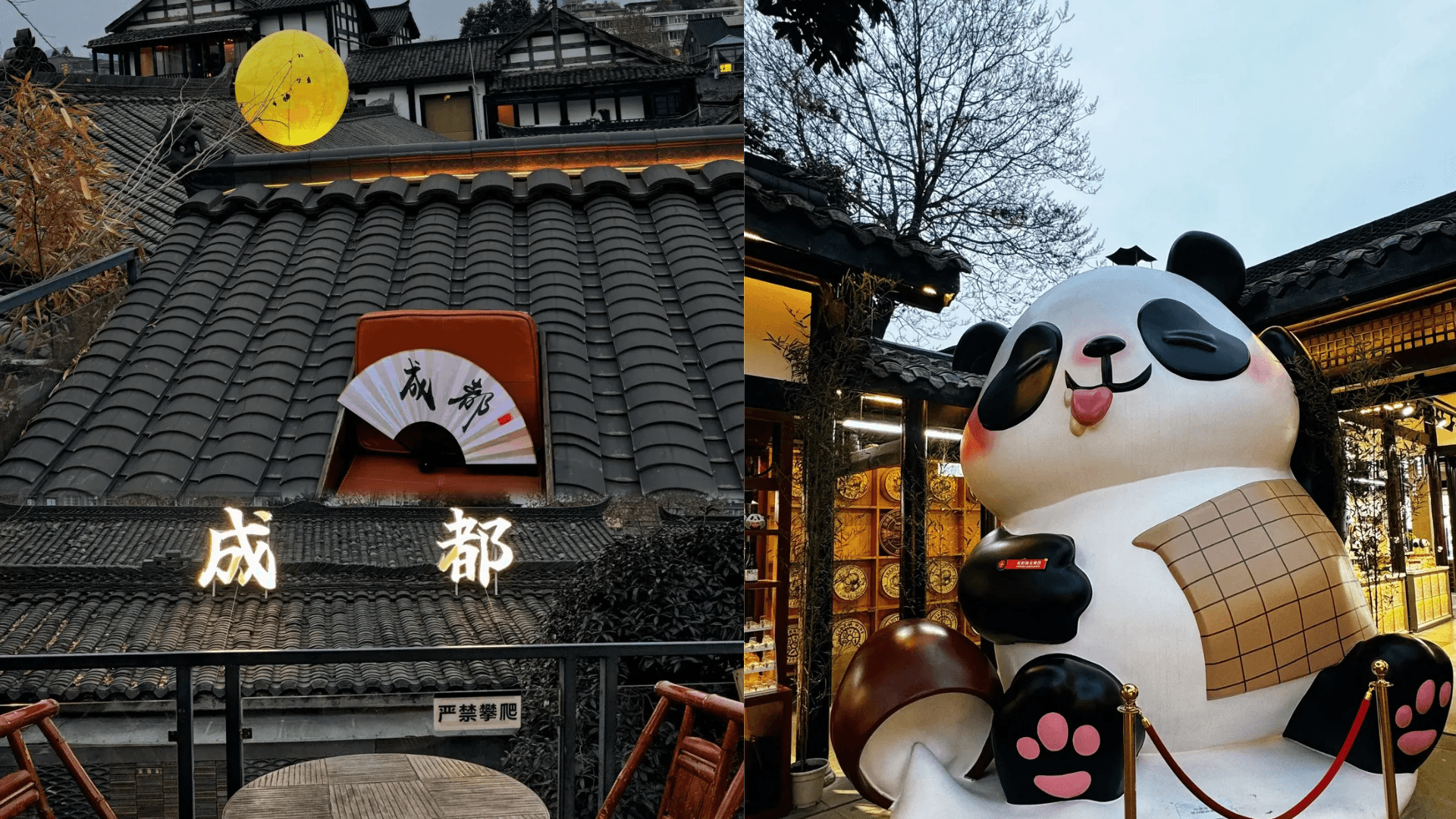
Before walking, understand the layout. The architecture blends northern hutong charm with classic western Sichuan courtyard design — wide eaves, timber-framed houses, open patios, and dozens of tiny alleyways forming a fish-bone street layout.
The three lanes run parallel east-to-west:
Lane | Chinese | The honest description |
|---|---|---|
Kuan (Wide) Alley | 宽巷子 | Upscale teahouses, slower pace, best architecture |
Zhai (Narrow) Alley | 窄巷子 | Boutique shops, art galleries, modern cafés |
Jing (Well) Alley | 井巷子 | Street food, the famous cat wall, younger crowd |
The recommended order: start at Kuan, move to Zhai, finish at Jing. This takes you from the most atmospheric to the most energetic — which matches how the neighbourhood warms up across the morning.
The Walk: Step by Step
Entrance and First Impressions (5 minutes)
Enter from the eastern end of Kuan Alley. The gate is a grey stone archway — understated by design, because the neighbourhood inside was never meant to announce itself.
Stop before you go through. Look up at the roofline. The curved grey tiles and upturned eaves are characteristic of Qing Dynasty residential architecture from the early 18th century. Kuanzhai Alley was first built as part of the Inner City to accommodate the Manchurian Army after their expedition from Tibet — making it the only replica of Beijing hutongs in southern China.
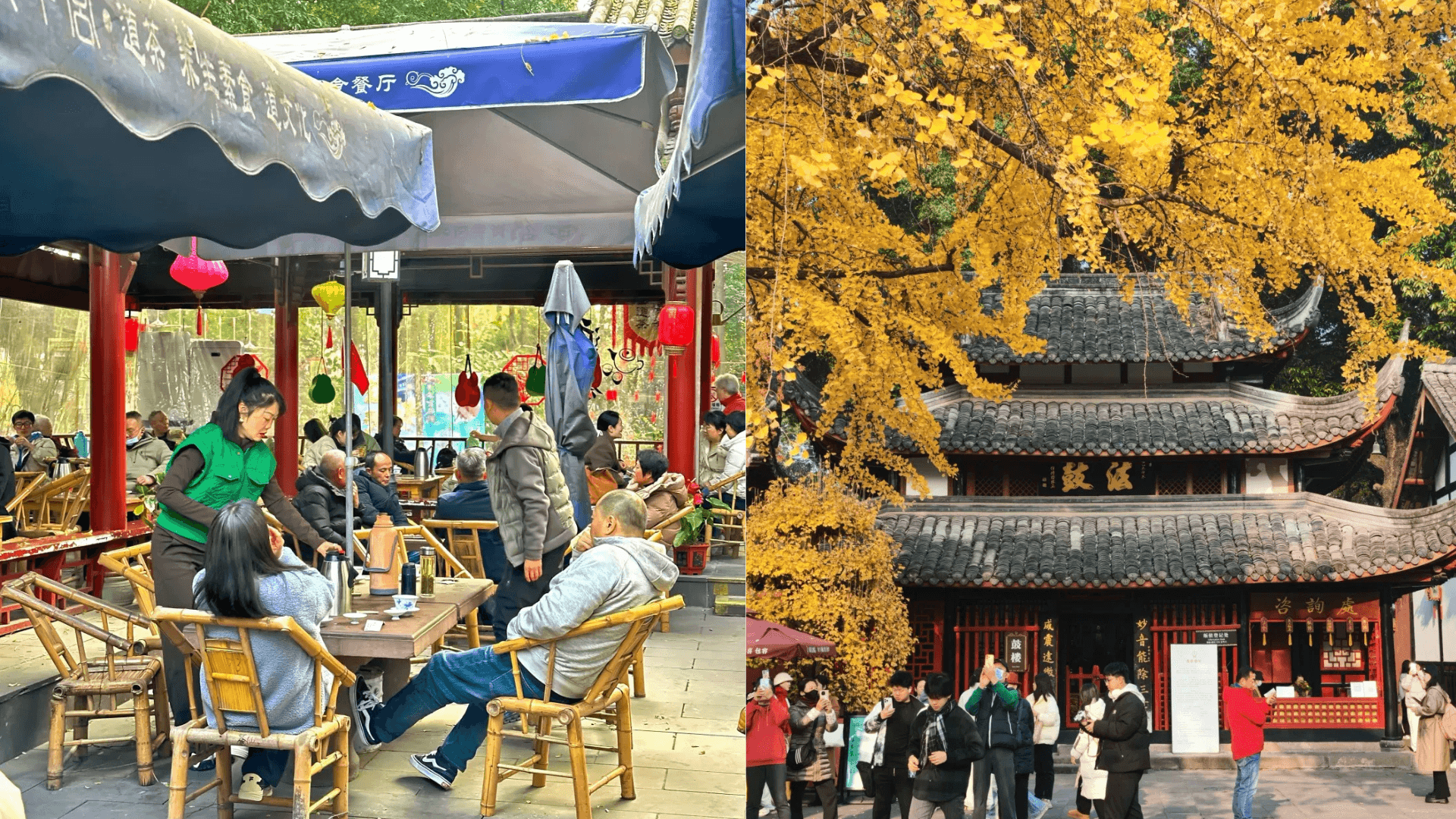
Kuan Alley — Wide Alley (宽巷子) — 40 minutes
Walk slowly. Kuan Alley is the most photogenic lane and the one most people rush through to get to the food in Jing Alley. Don't rush it.
What to do here:
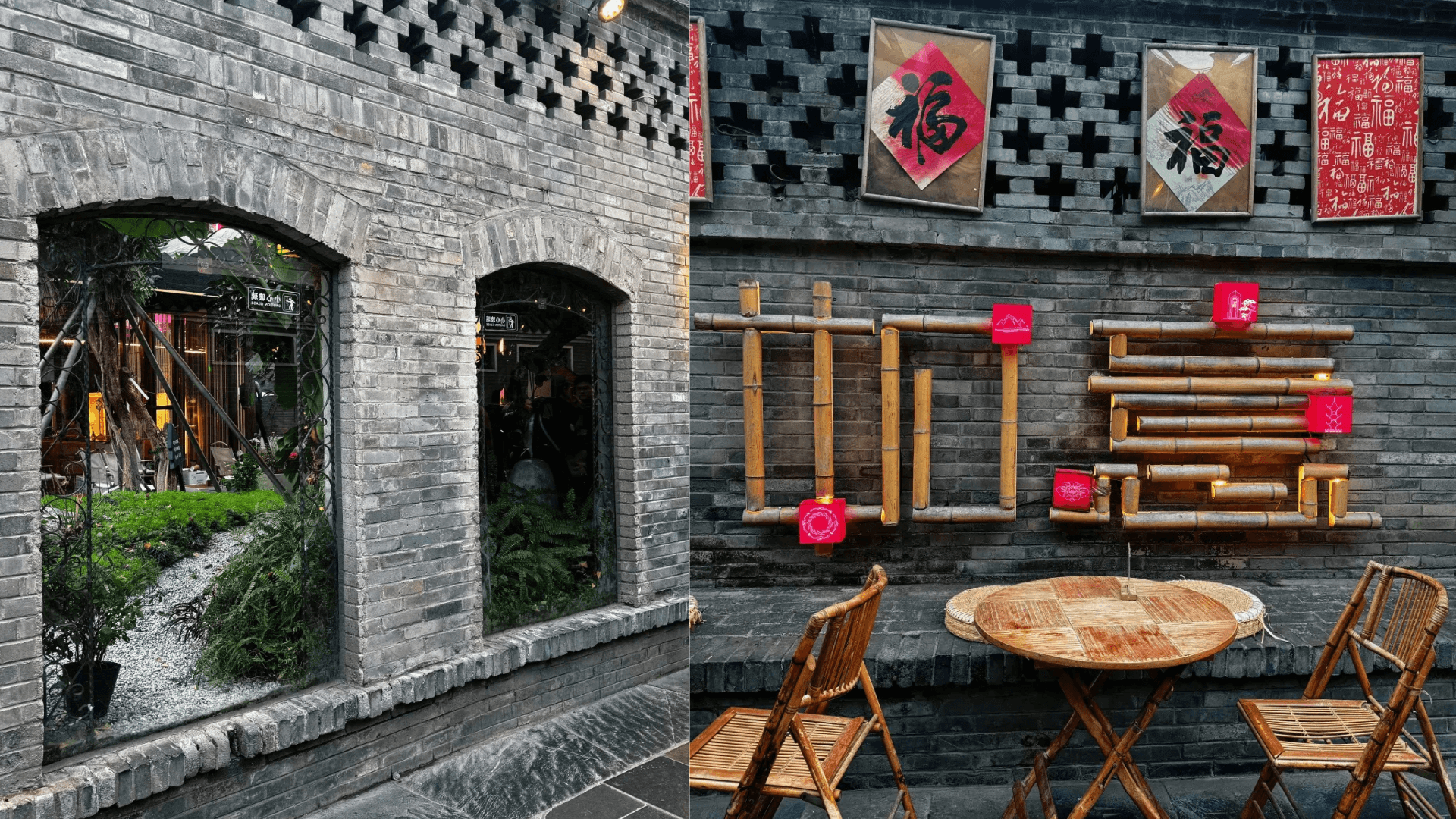
Find a teahouse courtyard and sit down. Not to order tea immediately — just to stand in the open courtyard and look at the proportions. These are the original garrison officer residences, adapted into hospitality venues. The best ones have camphor trees growing through the centre of the courtyard, old enough that their roots have lifted the stone paving.
Look for the Ear Cleaning vendors. Traditional Sichuan ear cleaning (采耳, cǎi ěr) is offered on small stools along Kuan Alley. A session costs ¥30–80 depending on the package. It looks alarming. It is, according to everyone who tries it, deeply satisfying. This is a uniquely Chengdu experience that most itineraries omit entirely.
San Da Pao (三大炮). The snack vendor near the entrance to Kuan Alley throws glutinous rice balls into a tray of toasted soya flour — they land with a clang against the brass plates, hence the name "Three Cannons." The spectacle is half the point. Price: around ¥15 for a serving.
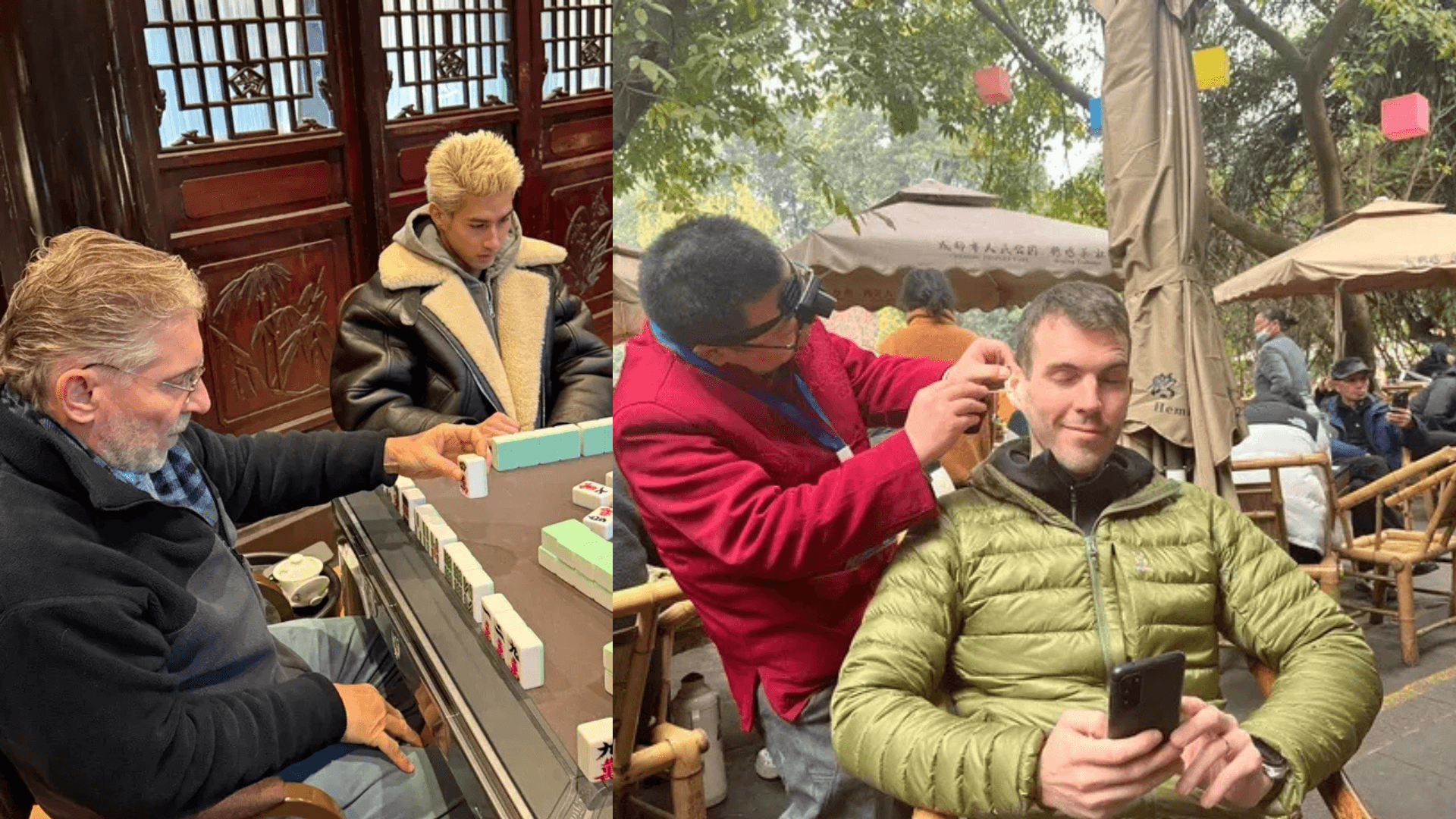
Hidden stop: About halfway down Kuan Alley on the south side, look for a gate between Courtyard No. 12 and No. 14. There's a narrow passage that opens into a small planted courtyard most visitors walk straight past. This is one of the neighbourhood's original residential interiors — genuinely quieter than the main lane.
Kuan to Zhai — The Connecting Alleys (10 minutes)
Between the main lanes, dozens of tiny 1–2 metre alleyways connect north to south. Take one of these rather than walking back to the street entrance and across. The alleys are where the neighbourhood feels most intimate — no shops, just stone walls, occasional potted plants on windowsills, and the sound of whoever is cooking inside.
Zhai Alley — Narrow Alley (窄巷子) — 40 minutes
Zhai Alley is slightly narrower and feels more curated. This is where the neighbourhood's more interesting commercial tenants have settled: independent ceramics studios, calligraphy supply shops, specialty coffee roasters, and a handful of genuinely good restaurants.
What to do here:
Coffee stop. % Arabica has a branch in Zhai Alley, set inside a converted courtyard. Worth stopping for the space as much as the coffee. Expect a 10–15 minute queue on weekends.
Browse the craft shops. The ceramics and textile shops on Zhai Alley sell a different class of souvenir to the mass-produced items in Jing Alley. Shu embroidery pieces and handmade tea ware start at around ¥60–200 for something genuinely made locally.
Sichuan Opera Face-Changing (变脸) performance. Several teahouses on Zhai Alley offer this. For shorter performances inside the alley itself, prices range from ¥80–200 per person including tea. Shufeng Yayun Opera House — 15 minutes' walk away — is recommended for a full evening show.
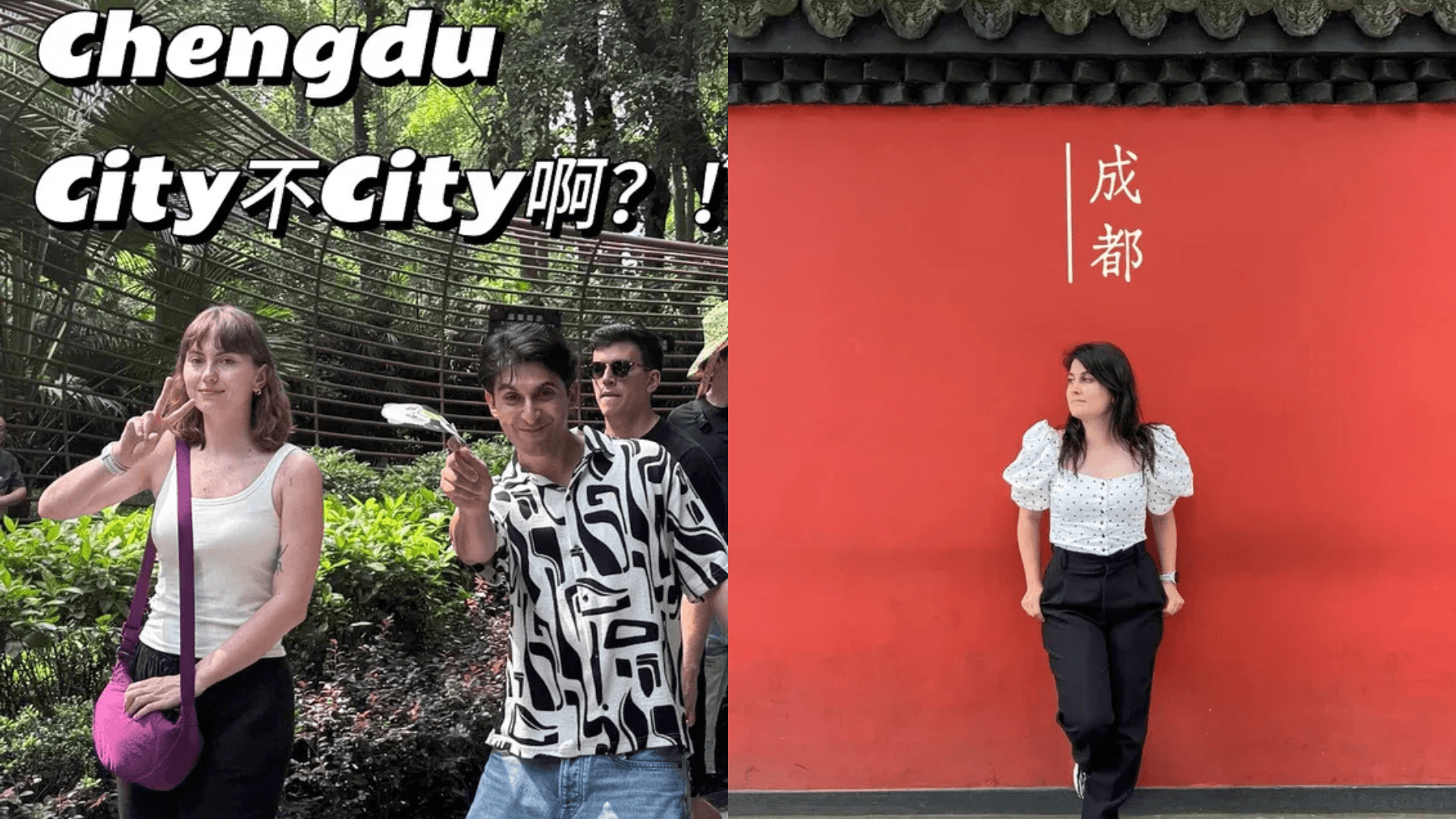
Food stop: Zhong Dumplings (钟水饺) appear on Zhai Alley. These are thin-skinned pork dumplings dressed in dark soy, red chilli oil, and a small amount of sugar — a combination that sounds wrong and tastes correct. Order a half-portion (half jin, 半斤) to leave room for Jing Alley.
Zhai to Jing — The Cat Wall (5 minutes)
The transition from Zhai to Jing Alley passes a 400-metre section of wall covered in ceramic tile murals — cats in traditional Chengdu scenes, panels recording neighbourhood history. Stop here: the light bouncing off the tiles in the morning is genuinely beautiful.
Jing Alley — Well Alley (井巷子) — 30 minutes
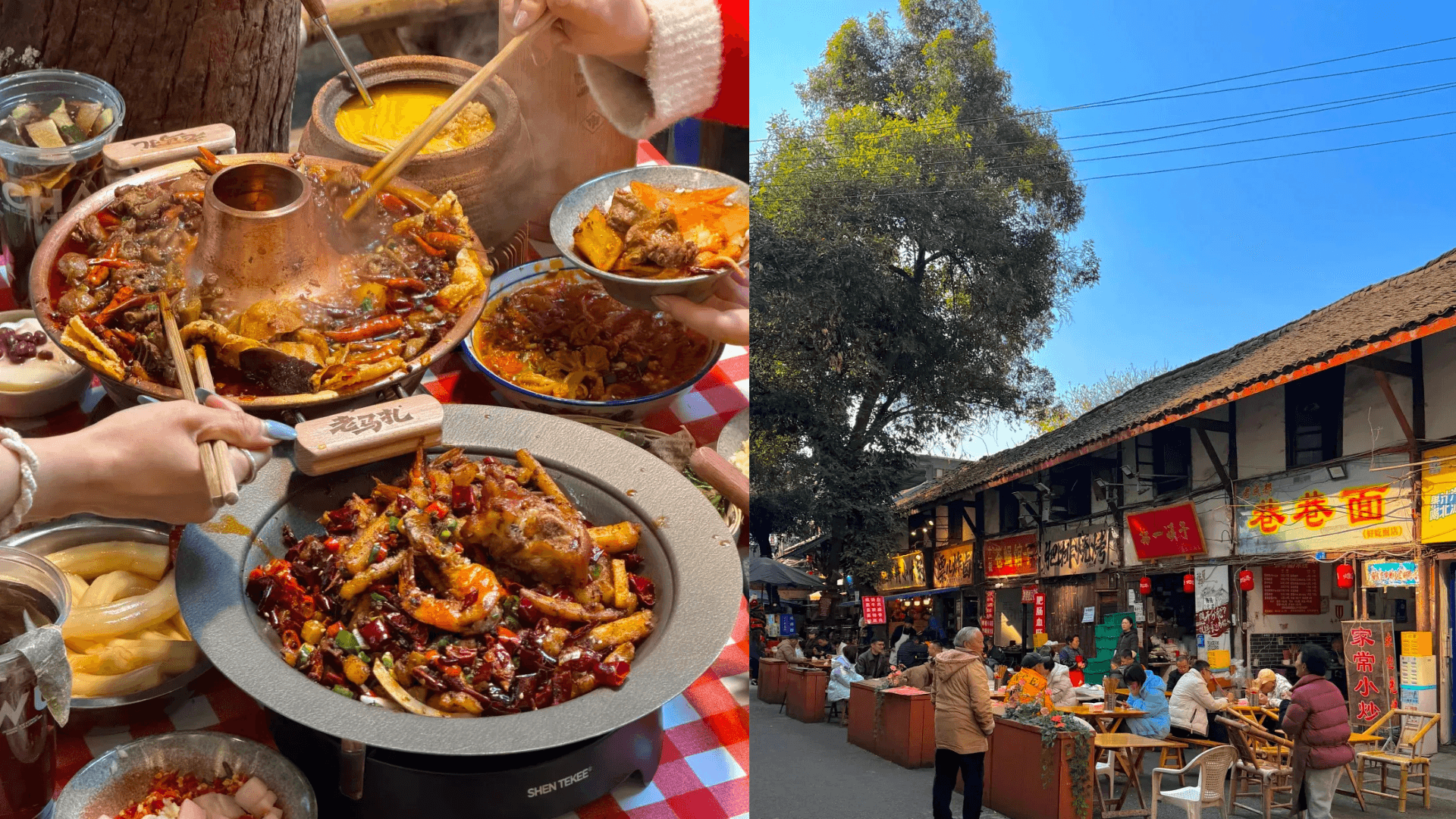
Jing Alley is the most commercial of the three lanes and the most crowded — but it has the best street food. Walk the full length and eat as you go.
What to eat:
Rabbit Head (兔头, tù tóu): The defining Chengdu snack and the one most visitors are nervous about. Cold, split in half, dressed in chilli oil and Sichuan pepper. The cheek meat and the small amount under the skull are what you're after. Ask for mild (微辣) if you're heat-sensitive.
Tangyuan (汤圆): Glutinous rice balls filled with black sesame paste, served in sweet broth. One of the few Jing Alley snacks that won't challenge your spice tolerance.
Dan Dan Noodles (担担面): Not every vendor on Jing Alley is good. Look for the ones with a queue of local people, not a laminated English menu propped outside.
Dragon's Beard Candy (龙须糖): Spun from maltose into thousands of fine white strands, filled with crushed peanuts and sesame. The stretching process is performed in front of you. Price: ¥15–25.
Budget note: Prices in Kuanzhai Alley are relatively high compared to surrounding neighbourhoods. Budget ¥80–150 for food across the full walk if you're eating properly at each stop.
After the Alleys: What's Nearby
People's Park (人民公园) — 12-minute walk south. The park teahouse serves gaiwan tea from ¥12. The matchmaking corner is on the northeast side of the park.
Qingyang Palace (青羊宫) — 15-minute walk south. Chengdu's oldest Taoist temple, free entry, genuinely active worship.
Qintai Road (琴台路) — 8-minute walk west. Where Shufeng Yayun Sichuan Opera performs, with many restaurants for Sichuan hot pot.
For a full combined itinerary using all three areas, see our Chengdu city walking tour guide.
Practical Notes
Toilets: Public toilets at the eastern and western ends of Kuan Alley. Free. Use them early — they get busier as the day progresses.
Payment: Most vendors accept only WeChat Pay or Alipay. Foreigners can link international cards to either app before arrival — worth setting up at your hotel the evening before.
Photography: The grey brick walls and wooden gate frames photograph best in flat light (overcast mornings) or directional light (7–9am, 4–6pm). A phone camera is perfectly adequate.
Accessibility: Uneven stone paving throughout. Manageable for most people; difficult for wheelchairs or pushchairs over extended distances.
Frequently Asked Questions
How long does Kuanzhai Alley take to walk?
Allow a minimum of two hours to walk all three lanes with food stops. Three hours is more comfortable. If you add tea and a face-changing performance, budget four hours.
Is Kuanzhai Alley free?
Entry to the alleys is completely free. You pay only for food, drinks, and any experiences such as tea ceremonies or face-changing performances. Budget ¥80–150 for a thorough food walk.
Which is the best lane in Kuanzhai Alley?
Kuan Alley (the wide one) has the best preserved architecture and the most tranquil atmosphere. Jing Alley (the well one) has the best street food. Most visitors find Zhai Alley the most photogenic.
Is Kuanzhai Alley worth visiting?
Yes — with the right expectations. It is unambiguously touristy, and prices are higher than the surrounding streets. What it offers is a concentrated experience of traditional Qing Dynasty architecture, Sichuan snack culture, and the neighbourhood's lived-in atmosphere, all in a compact walkable area.
Can I visit Kuanzhai Alley with children?
Yes. The wide, pedestrian-only alleys are safe for kids. Street performers like face-changing artists are a hit with children. Arrive early for fewer crowds and a more comfortable experience.
What is the best time to visit Kuanzhai Alley?
Weekday mornings before 10am for photographs and calm. Weekday evenings from 6pm for lantern light and atmosphere. Avoid weekend afternoons entirely.
Continuing your walk through Chengdu? Our Chengdu city walking tour guide combines Kuanzhai Alley with Jinli Ancient Street, People's Park, and the Wenshu Monastery district into a full-day itinerary.